Let's talk about the real side effect nobody warns you about
Antidepressants save lives. They also, in about 40-60% of people who take them, make sex feel like you're touching the world through a wetsuit. Numbness. Delayed or absent orgasm. Zero interest in anything that used to turn you on. It's not in your head. It's a well-documented neurochemical reality.
Here's what makes this so frustrating for couples: the medication that stabilizes your mood can destabilize your relationship. You want to feel desire. Your body doesn't cooperate. And suddenly you're managing grief over lost pleasure while you're supposed to be getting better.
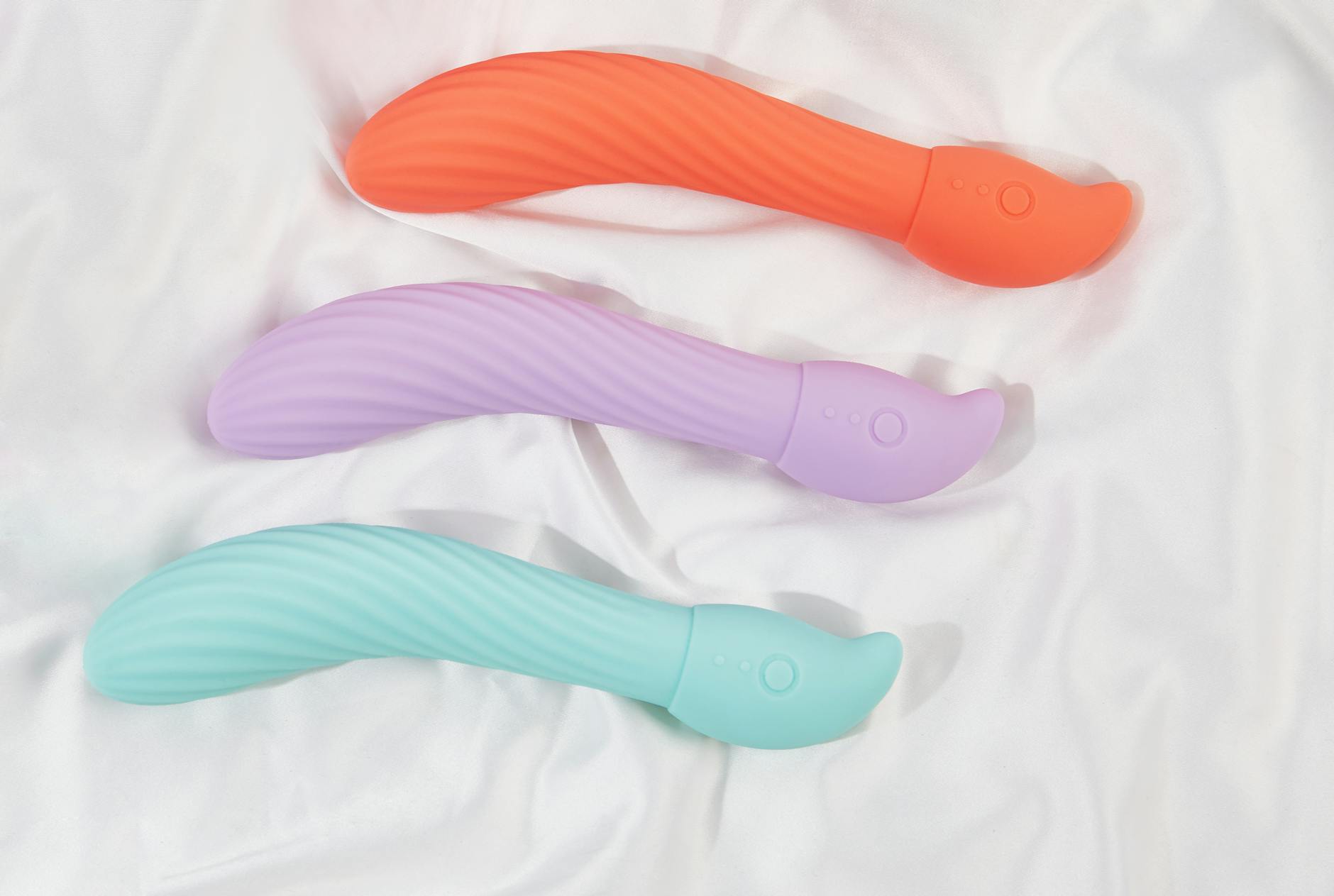
The good news is that specific tools work differently on medication-dampened sensation. Lemon vibrators and clitoral suction devices bypass some of the numbness by engaging your nervous system in a way traditional vibration can't.
Why antidepressants numb sexual response
SSRIs (selective serotonin reuptake inhibitors) like sertraline and paroxetine work by making serotonin linger longer in your brain. That steadies your mood. But serotonin also regulates arousal, blood flow, and orgasmic response. When you flood your system with extra serotonin, you're trading mood stability for sensation damping. It's not a side effect. It's how the drug works.
SNRIs (serotonin-norepinephrine reuptake inhibitors) do the same thing to both serotonin and norepinephrine, which means even more potential flattening of arousal and physical response.
The cruelest part: the people who most need antidepressants often have depression that already kills libido. So you're starting from a low place, and then medication digs the hole deeper.
Why suction feels different when medication numbs sensation
Traditional vibrators send steady oscillation into tissue. If your receptors are already less responsive because of medication, you're asking already-dampened nerves to register stimulation. The signal is weak to begin with.
Lemon vibrators and suction-based clitoral devices work on a different principle. Instead of vibration alone, they create rhythmic waves of suction and release. This engages a different set of nerve pathways. It's the difference between someone tapping your shoulder versus someone gently pulling at the fabric of your sleeve. Same area, completely different sensation.
Science backs this up. Suction stimulates not just surface receptors but deeper tissue, which means it can reach nerve clusters that vibration alone misses. For people on medication, this often translates to noticeable sensation where vibration felt like nothing.
The first thing to adjust is your timing
Take your dose of SSRI in the evening if you can. Talk to your prescriber about this first. The goal is to let the peak effect of the drug occur when you're sleeping, and try to time intimacy for when the concentration in your bloodstream is lower. This won't fix the problem entirely, but it can make a difference.
Some people find that sex feels slightly better 6-12 hours after taking their dose. Others notice a tiny window right before the next dose is due. It's worth tracking for a week or two to see if a pattern emerges for you.
How to use a lemon vibrator differently on antidepressants
Start lower and slower than you would otherwise.
Don't jump to the highest suction setting. Most people on SSRIs need a gentler ramp-up because sensation is already muted. Start at pattern 1 or 2 on a lemon vibrator, and spend 3-5 minutes there before turning it up. Let your body register the feeling.
Use generous lubrication. Medication can affect natural lubrication too, so don't rely on arousal alone. Water-based lube helps the suction work better and reduces friction that your already-numb tissue might find uncomfortable.
Build warm-up time into your routine. With medication dulling sensation, you might need 20-30 minutes of foreplay or solo exploration before you feel anything building. This isn't failure. This is working with your body as it actually is, not as you wish it were.
Extended sessions work better than quick ones
One of the few advantages of medication-dampened sensation is that overstimulation becomes almost impossible. You can use a lemon vibrator for 20, 30, even 45 minutes without the sharp intensity that would overwhelm you off medication.
Many people find that pleasure builds slowly and cumulatively when they're on antidepressants. The sensation doesn't spike fast. It accumulates. This means longer sessions often feel more rewarding than shorter ones. You're building sensation gradually instead of chasing a sudden peak.
Try this approach: 10 minutes of low suction to wake up the area. 5-10 minutes exploring mid-range patterns. Then 10-15 minutes at whatever level feels good, without rushing toward orgasm. Sometimes the goal isn't reaching climax. It's remembering what pleasure feels like.
When to talk to your doctor about switching medications
Not all antidepressants have equal sexual side effects. Bupropion (Wellbutrin) and mirtazapine actually often improve sexual function compared to SSRIs. If you're six weeks in on your current dose and sexual dampening is severe, ask your prescriber about alternatives.
Don't stop medication on your own. Depression will almost certainly return, and that kills desire even more aggressively than the drug does. But mentioning sexual side effects is a legitimate clinical reason for a medication switch. Good prescribers expect this conversation.
Some people benefit from adding a second medication that targets sexual side effects, like bupropion or buspirone, alongside their SSRI. This is also worth discussing if you want to stay on your current medication.
The mental piece matters as much as the physical
Here's what I see in my therapy practice: people on antidepressants often carry shame about the sexual dampening. They blame themselves. They think they should still want sex the way they used to. This mental friction makes the physical problem worse.
Your body isn't broken. Your medication is doing exactly what it's designed to do. Numbness is a side effect, not a personal failing. This distinction changes everything. Once you stop fighting yourself, pleasure becomes less about achieving a specific outcome and more about reconnecting with sensation. That's where a lemon vibrator becomes useful. It's not about forcing an orgasm. It's about exploring what your body can still feel.
Communication with your partner during this phase
If you have a partner, they need context too. Medication-dampened sex isn't about them or attraction. It's a direct neurochemical effect. Partners often misinterpret reduced desire as reduced love. Setting this straight early prevents resentment from building.
Consider saying something like: "My medication is affecting how I experience sensation. This isn't about you. I'm working with my doctor and trying new approaches. I want to explore this together, but the goal right now is reconnecting with pleasure, not hitting a specific outcome."
Using tools like lemon vibrators together can actually deepen connection. You're collaborating on a problem, not suffering through it separately.
FAQ
Can I use a lemon vibrator if I'm on multiple psychiatric medications?
Yes. The approach stays the same. Start gently, use lubrication, and give yourself extended warm-up time. If you're on multiple serotonin-affecting drugs, sensation dampening might be more pronounced, so patience becomes even more important. Talk to your prescriber about whether your specific medication combination has known sexual side effects.
Will switching antidepressants definitely restore sexual pleasure?
Often, but not always. Some people switch medications and feel dramatic improvement within weeks. Others find that the change is modest. Bupropion and mirtazapine tend to have fewer sexual side effects, but they come with their own profiles. Work with your prescriber to find the right balance of mood stability and sexual function for you.
How long does it take for medication to stop dampening sensation once I start using a lemon vibrator?
The medication itself won't change. But your experience of sensation can shift with consistent exploration and the right tools. Many people report noticeable improvement within 2-3 weeks of using suction-based devices regularly, because you're engaging different nerve pathways than vibration alone reaches.
Is it normal that I feel almost nothing when I used to orgasm easily?
Completely normal. This is one of the most common sexual side effects of SSRIs. About half of people on these medications experience some degree of sexual dulling. You're not alone, and it's not permanent or unchangeable.
Can I combine a lemon vibrator with topical numbing cream if I'm on antidepressants?
No. Numbing products will make medication-dampened sensation worse, not better. You want to maximize whatever sensation you can access, not further reduce it. Skip topical anesthetics entirely if you're on psychiatric medication.
What if my partner wants to use a lemon vibrator with me, but I'm worried about performance anxiety?
Performance pressure is the enemy here. You're already managing medication side effects. Adding the expectation of a specific outcome makes numbness worse. Talk to your partner about making this exploratory rather than goal-oriented. Sometimes the most intimate thing you can do is say, "I'm not sure what will happen, and that's okay."
The bottom line
Antidepressants work. They let you breathe, sleep, and feel less like drowning. But many of them flatten sexual pleasure as a trade-off. Lemon vibrators don't fix the medication. They work differently with your medication, engaging sensation through suction rather than vibration alone.
If you're on antidepressants and missing pleasure, start with a conversation with your prescriber about timing or alternatives. Then explore tools that engage your body differently. Patience, lubrication, and longer warm-up time aren't compromises. They're how you work with your actual body, not an imagined version of it.
Your desire might look different now. That doesn't make it less real or less worth pursuing. For more on rebuilding intimacy during major life transitions, check out our guide on how lemon clitoral vibrators help rebuild intimacy after relationship conflict. If you have questions about your specific situation, get in touch.
Sources & further reading:
- Clayton, A. H., & Montejo, A. L. (2006). Major depressive disorder, antidepressants, and sexual dysfunction. The Journal of Clinical Psychiatry, 67(6), 33-37.
- Serretti, A., & Chiesa, A. (2009). Treatment-emergent sexual dysfunction in depression. The Journal of Clinical Psychiatry, 70(10), 1394-1411.
- Gregorian, R. S., Golden, K. A., Bahce, A., Goodman, C., Kwong, W. J., & Khan, Z. M. (2002). Antidepressant-induced sexual dysfunction. The Annals of Pharmacotherapy, 36(10), 1577-1589.