The hardest part of fighting isn't the argument itself
It's the silence after. You've said your piece, they've said theirs, and now you're both waiting for permission to reconnect. Most couples sit in that discomfort for days, weeks sometimes, because nobody wants to be the first one to suggest sex.
But here's what's actually happening in your body during conflict: your nervous system is stuck in high alert. Your partner's too. Physical intimacy is the fastest way to bring both of you back down. Not talking about it more. Not apologizing again. Touch.
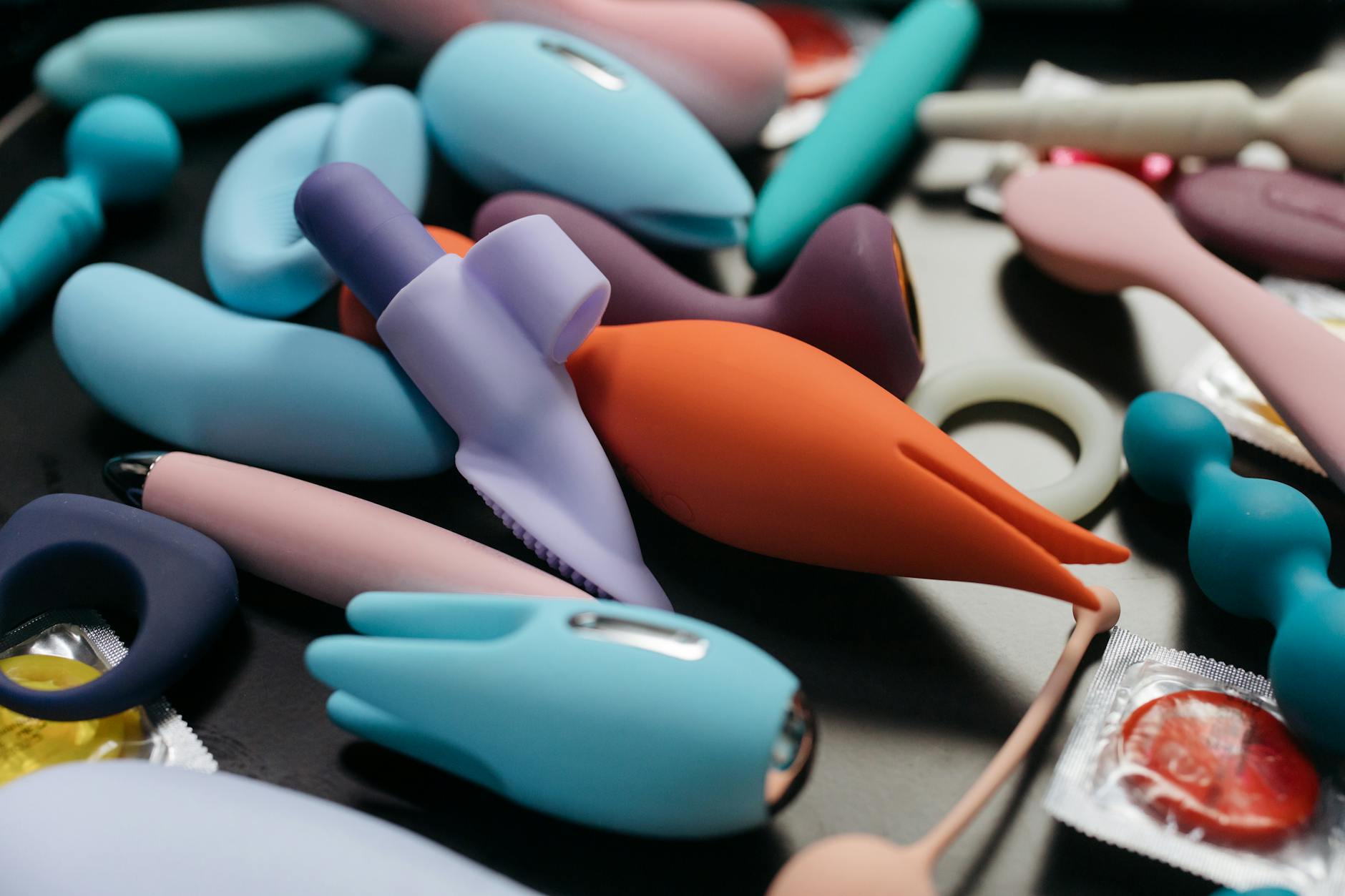
That's where pleasure tools like the Lem come in. Not as a band-aid over unresolved hurt, but as a bridge back into your body together when the cognitive part of repair feels stuck.
Why conflict tanks desire in the first place
When you fight, your amygdala (the brain's alarm system) lights up. You're not thinking with your prefrontal cortex anymore. You're in threat-detection mode. And threat-detection mode and arousal cannot coexist. Your body literally cannot be ready for pleasure while it's convinced there's danger.
Adrenergic arousal (the fight kind) and sexual arousal (the pleasure kind) use different neural pathways. You have to move out of one to move into the other. That takes time. Usually 3 to 5 days, sometimes longer depending on the intensity of the fight and how secure the relationship feels.
Some couples try to skip this step. They jump straight into sex as an apology or a way to forget. Sometimes that works. Often it feels hollow because one or both people are still defended.
The sweet spot is waiting just long enough that both nervous systems have settled, then using physical pleasure as a conscious reset instead of an avoidance.
What makes pleasure tools different after conflict
When you're rebuilding intimacy, you need something that doesn't require the same level of vulnerability as partnered sex. A lemon clitoral vibrator does that beautifully. It offers pleasure on your terms. You control the intensity, the rhythm, the pace. That matters when you're regaining trust in your own body and your relationship.
Lemon sexual toys, particularly air-suction devices like the Lem, work through stimulation rather than penetration. That distinction is quieter. It's about sensation, not performance. When someone's nervous system is still slightly activated from conflict, that gentleness is a gift.
Partners often report that watching their person experience pleasure after tension is deeply bonding. It's not the same as partnered sex. It's more like witnessing their capacity to feel good again. And that's a legitimate intimacy milestone.
The timing question (when is it actually too soon?)
There's no universal rule, but I tell couples this: you're ready when you can touch without it feeling like you're asking for forgiveness. The touch should feel intentional and warm, not desperate.
If you're still angry, still defending, still rehearsing your argument in your head, it's too soon. Wait. Your body will know.
If you've had a conversation about the fight (even if it's not fully resolved), your nervous system has settled, and you feel a little flicker of desire toward your partner or toward your own pleasure again, you're in the window.
That flicker is everything. It's your system saying you feel safe enough to open again.
How to reintroduce pleasure tools after conflict
Three things matter here.
First: ask, don't assume. Even if you and your partner used lemon clitoral vibrators regularly before the fight, reconnection requires explicit consent. A simple "I'd like us to play with the Lem together again. Would you be interested?" opens the door without pressure. If they say no, that's data. It might mean they need more time. It might mean they want to talk more first. Listen to that.
Second: start with your own pleasure, not partnered play. If you're the one who wants to use a pleasure tool, do that first. Solo. This gives you a chance to reclaim your own arousal separate from the relationship. It reminds you that your pleasure is yours. Then, if you want to involve your partner, you're coming from a place of fullness instead of need.
Third: keep it low-pressure. Use one of the best lemon vibrator settings for different stages of arousal and start at lower intensities. You're not looking for a spectacular orgasm right now. You're looking for a moment of reconnection. If an orgasm happens, great. If it doesn't, that's okay too.
The neurochemistry of pleasure after repair
When you experience pleasure after conflict, something subtle happens. Your brain releases oxytocin (bonding), dopamine (reward), and serotonin (calm). All three of these are the opposite of the stress hormones that flooded your system during the fight.
Orgasm in particular is a powerful nervous system reset. It's like a hard reboot. Your heart rate climbs, then drops. Your breathing changes. Your muscles release. When you come back down, you're neurologically different than you were before. Calmer. More connected to yourself. More open to your partner.
This is why couples who have pleasurable sex after a conflict often report feeling closer than they were before the fight. It's not that the pleasure erases the problem. It's that pleasure literally rewires how your nervous system associates with that person and that moment.
What if pleasure tools feel weird after conflict?
That's real. Sometimes the presence of a pleasure toy can feel mechanistic or distant when what you actually need is skin-to-skin, eye-to-eye connection. Lemon adult toys aren't a replacement for partnered touch. They're an option alongside it.
You can use both. You can start with the Lem on your own while your partner touches you. You can take turns. You can use it early in foreplay and then put it aside. The tool serves the moment, not the other way around.
If pleasure tools just don't feel right in your relationship after conflict, that's legitimate too. Some couples heal through conversation and slow touch. Others need the focus and stimulation a vibrator provides. Neither is wrong.
The permission piece nobody talks about
Here's what I see most often: couples skip pleasure entirely after conflict because it feels frivolous. Like they should be serious and remorseful instead. But pleasure isn't frivolous. It's a form of forgiveness. It's you saying, "I trust you again. I trust myself again. I'm willing to be open and soft with you."
Give yourself permission to want that. To want to feel good. To use whatever tools serve that. A lemon clitoral vibrator isn't a shortcut around real repair work. It's a way to reactivate your system while the repair is happening.
When to reach out for more support
If you find that you're using pleasure tools to avoid talking about conflict, or if intimacy feels impossible no matter how much time has passed, that's a signal to get professional support. A couples therapist can help you address the deeper patterns that make reconnection hard.
Same thing if one partner wants pleasure after conflict and the other shuts down completely. That difference in needs is real and worth exploring with someone trained to help.
Intimacy after conflict is learnable. It's a skill. And it starts with giving yourself permission to want it.
People also ask
How long after a serious fight should I wait before initiating pleasure?
Typically 3 to 5 days, once your nervous system has downregulated and you've had at least one conversation about the conflict. Wait until you feel a genuine spark of desire, not desperation. If anger or hurt is still dominant, wait longer. Your body knows.
Can using a lemon vibrator with my partner help us reconnect faster?
Faster than what? If you mean faster than silence, yes. But pleasure tools aren't shortcuts around the emotional repair work. They work best as part of a larger reconnection, not instead of it. They can help your nervous systems reset while you're doing the real work of repair.
What if my partner thinks using pleasure tools after a fight is weird?
It might feel unfamiliar. Many people weren't taught that pleasure has a place in conflict recovery. A simple conversation helps: "I'm not trying to avoid what happened. I want us to reconnect. This feels like a way to do that." If they're still resistant, respect that. Pressure won't help anyone reconnect.
Is it okay to use a lemon clitoral vibrator solo after a fight while my partner isn't involved?
Completely okay. Solo pleasure is legitimate intimacy repair. You're reminding yourself that your arousal is yours. That you can feel good independently. That your body is safe and responsive. Then, if you want partnership afterward, you're coming from wholeness.
What if pleasure feels impossible after a big conflict?
That's common and it's not a sign of anything wrong with you or your relationship. Trauma, deep betrayal, or unresolved hurt can shut down arousal entirely. If that's happening, therapy is worth considering. A trained professional can help you process the conflict in a way that actually frees up your capacity for pleasure again.
Can lemon sexual toys replace talking about what happened?
No. Please talk. Pleasure is addition, not substitution. You need both the conversation and the reconnection. One without the other leaves you at risk of repeating the same conflict patterns.
The work isn't about forgetting. It's about returning.
Every couple fights. The quality of your relationship isn't determined by the fight. It's determined by what you do after. Whether you can return to each other. Whether you can touch again. Whether you can feel pleasure together or alongside each other again.
Pleasure tools like lemon clitoral vibrators are part of that return. They're permission slips your nervous system needs to come back online. Use them as part of your repair ritual. Then keep talking. Keep touching. Keep choosing connection, even after the hard stuff.
That's what intimate partnership actually looks like.