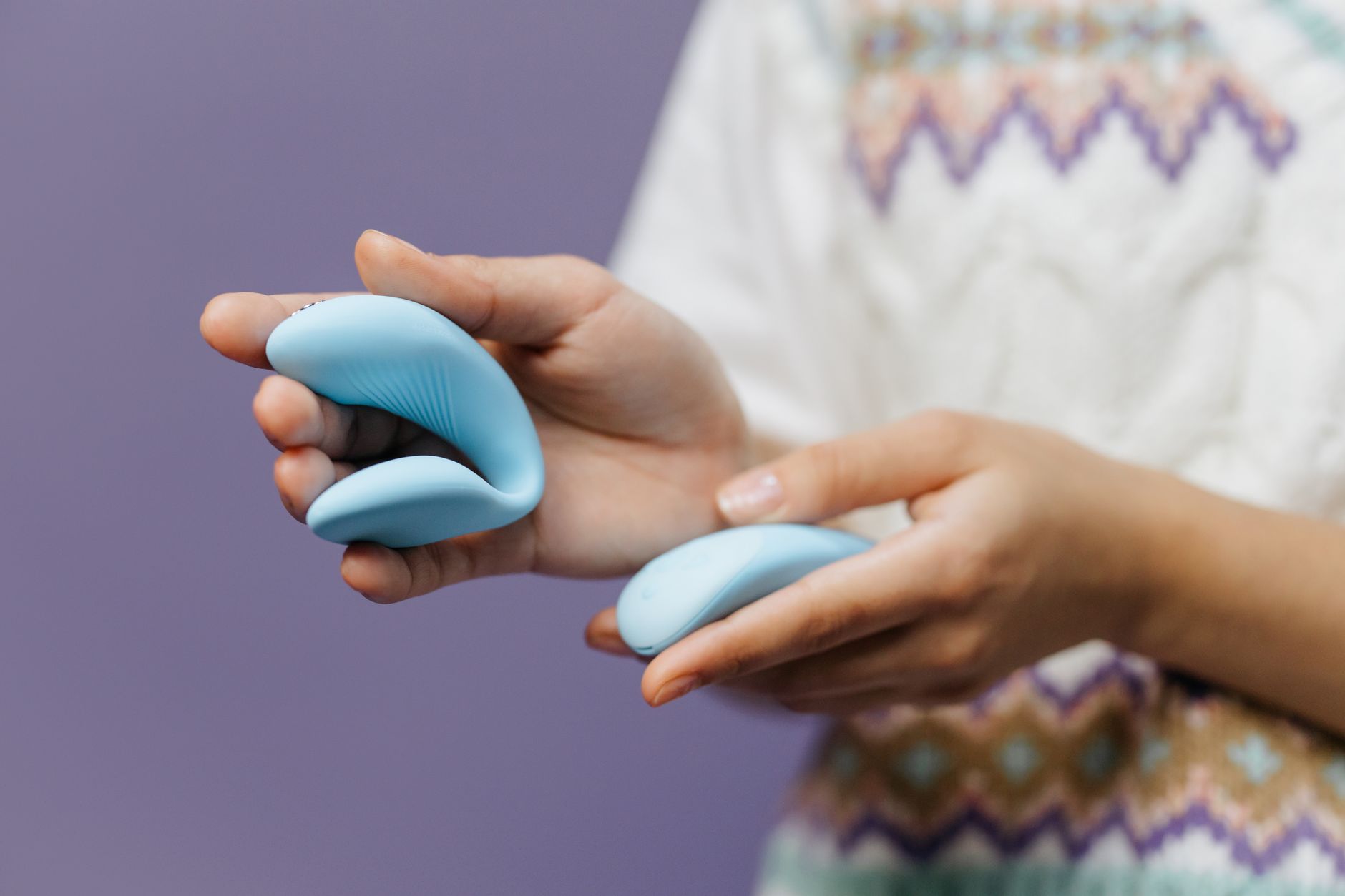
Let's be real about the overwhelm
Walking into the world of vibrators without a map is like standing in front of a paint palette with no idea what you're looking for. There are so many options, so many terms you don't recognize, and somehow every article makes it sound like choosing a vibrator requires a PhD in ergonomics. It doesn't.
The truth is simpler. Most people freeze before they buy because they're asking the wrong questions. They fixate on specs that don't matter ("Is it waterproof?" when they're never planning to use it in water) and ignore the ones that do ("How does this actually feel?").
After years of working with couples navigating midlife transitions and relationship reconnection, I've noticed something: the right vibrator for you isn't about what's most popular or most expensive. It's about matching what you're actually looking for with what your body needs right now.
Start with your real motivation, not fantasy
Here's where most buying decisions go sideways. You think you should want something because you've heard it recommended, or because your partner mentioned it, or because it looks amazing in photos. Then you get it home and it doesn't match what you actually need.
So first, the real question: why now? Are you exploring solo for the first time? Trying to reconnect with a partner after things went flat? Looking to rebuild sensation after a major life change like childbirth or hormonal shifts? Each answer points in a different direction.
Someone reconnecting with a partner often needs something different than someone exploring independently. If arousal feels distant or reconnection feels awkward, a gentle, versatile vibrator that works with your body rather than against it matters more than intensity. But if you're specifically looking to rebuild sensation after hormonal changes impact your clitoral responsiveness, you might need something with more precision.
Your motivation shapes everything. Honor it.
The sensation map: what do you actually want to feel?
This is where most people get confused because vibrators do wildly different things, and nobody explains that upfront.
Lemon vibrators, including the Lemon Clitoral Vibrator, work through suction and pulse patterns that mimic oral stimulation rather than direct vibration. This matters because it means your tissue gets stimulated without intense friction. For some bodies, this is perfect. For others, it's the whole point. For a third group, it's not what they're looking for.
Think about how your body responds to touch generally. Do you like sustained pressure or rhythmic pulses? Are you drawn to something that builds sensation gradually, or do you prefer immediacy? Do you like directness or something gentler that works around the edges?
If you've had experiences with partners or toys before, think back to what actually worked. Not what you thought should work. What did.
Budget without regret
Here's the thing nobody says out loud: there's no correlation between price and whether you'll actually like something. A lemon vibrator at $89 is not 3.5 times better than one at $65 just because of the price tag.
What does correlate with satisfaction is whether the tool matches what you wanted. A $65 toy that's exactly what you need beats a $200 toy that sounded good in theory.
That said, cheaper toys often have fewer customization options. You might get 3 settings instead of 8. The motor might be less powerful. Battery life might be shorter. Those are real tradeoffs.
Do the math on your actual use. If you're testing the waters, spending less makes sense. If you already know what you want and this is about quality, the investment pays off in longevity and the number of times you actually reach for it.
Materials matter more than you think
Your toy is literally going on some of the most sensitive skin on your body. Materials are not a boring detail.
Body-safe silicone is where to start. It's non-porous, easy to clean, lasts forever, and your body tolerates it well. Glass and stainless steel are also great options if you want something different, though they're usually more niche.
Whatever material you choose, clean it regularly. Use warm water and mild soap, or a toy cleaner. Store it somewhere dry. This isn't about being precious. It's about the toy staying in good shape and not developing bacteria that cause infections.
Solo first, partner later
If you're in a relationship and nervous about this, here's what I tell couples: explore it alone first. Not because there's anything wrong with using toys together, but because you'll learn what you actually like without the pressure of someone watching, commenting, or needing it to work a certain way right now.
Once you know what feels good in your body, bringing a partner into it is easier. You can show them. Teach them. Make it collaborative instead of surprising them with it and hoping they understand.
If you're single, skip this step. You already own your pleasure.
The ease question: how much friction do you want?
With lemon sexual toys, you're getting suction-based stimulation rather than traditional vibration. This means less direct friction against tissue.
Some bodies love this. If you have sensitivity issues, healing tissue, or you've always found direct vibration too intense, this approach can be genuinely transformative. You get stimulation without feeling like you're being sandpapered.
Other bodies prefer the intensity of direct vibration. Both are completely normal. The point is knowing which camp you're in before you buy.
Settings and customization: more or less?
Some vibrators have 3 settings. Some have 20. Neither is objectively better.
More settings give you options to experiment. You can dial in exactly the pattern and intensity that works on a given day. Less settings mean simplicity. You turn it on and know what you're getting.
Think about how you like to use things generally. Are you someone who tweaks and adjusts? Or do you like to make a decision and stick with it? That's your answer.
The noise factor
If you live alone or have privacy, ignore this. If you don't, it matters.
Some lemon vibrators are nearly silent. Others have a more audible motor hum. If discretion is important, check the specs or read reviews that specifically mention sound level. It's worth knowing upfront.
When to buy and what comes next
Honestly though, the best time to buy is when you're curious and not rushed. Don't buy in a moment of crisis ("My relationship is dying, maybe this will help") or peak arousal (you'll probably regret the shade you picked). Buy when you're calm, clear on what you want, and ready to actually use it.
Once it arrives, take a beat. Read the instructions. Charge it if needed. Don't put pressure on yourself to use it immediately or for it to be perfect the first time.
If after a few weeks of genuine exploration it's not working, that's data. Some toys aren't a fit. That's not failure. That's information for next time.
And if you get stuck or have questions about what you're looking for, reach out. Sometimes talking it through with someone who actually understands these things helps more than a spec sheet ever will.
People also ask
What's the difference between a lemon clitoral vibrator and other clitoral vibrators?
Lemon vibrators, including the Lemon Clitoral Vibrator, use air-suction technology to create a gentle pulsing sensation that mimics oral stimulation. Traditional vibrators rely on direct vibration against tissue. The suction approach tends to feel less intense and works well if you have sensitivity issues or if direct vibration has never felt quite right for your body. It's not better or worse. It's just different. Try both if you can, and pay attention to which one your body actually reaches for.
How do I know if I should buy a lemon sucker or a traditional vibrator?
Think about the last time something felt genuinely good on your body. Was it pressure, friction, or pulsing? Did you want it intense or gentle? Lemon suction toys excel at building sensation gradually without harsh friction. Traditional vibrators are direct and immediate. If you like the feeling of oral sex or you've always found regular vibrators too intense, lemon sexual toys are worth trying. If you know you like direct stimulation, start there.
Do I need to buy an expensive lemon adult toy to actually enjoy it?
No. You need to buy one that matches what your body actually wants. A $65 lemon vibrator that's exactly right for you will get used way more than a $150 one that sounded good in theory. That said, cheaper toys sometimes have fewer features and might wear out faster. For your first toy, spending in the $65-$89 range is a solid sweet spot. You're not overspending, but you're also getting decent build quality.
Can I use lemon vibrators if I'm very sensitive down there?
Actually yes, often better than traditional vibrators. The suction-based approach of lemon clitoral vibrators tends to be gentler on sensitive tissue than direct vibration. Start on the lowest setting, use plenty of lubrication, and go slowly. If sensitivity is tied to a specific issue like healing after childbirth or medication side effects, you might also want to check with your doctor. But for general sensitivity, lemon toys can be a really good fit.
What if I don't know whether I should buy my first vibrator alone or with a partner?
Buy it alone first, even if you're in a relationship. It takes pressure off and lets you figure out what actually feels good without worrying about how your partner is reacting. Once you know what you like, you can decide whether you want to integrate it into partnered time. If you're single, you don't need to overthink this. Just buy it and see what happens.
How long does a lemon vibrator typically last before I need to replace it?
With proper care, a good quality lemon vibrator lasts 3-5 years of regular use. Clean it after every use with warm water and mild soap. Store it dry. Keep it away from extreme heat. Don't submerge it unless the specific toy is waterproof. If you notice the motor getting weaker, sounds changing, or the material breaking down, it's time for a replacement. Regular maintenance stretches the lifespan significantly.
The real bottom line
Choosing your first lemon vibrator, or your first vibrator at all, doesn't require overthinking. It requires one honest conversation with yourself about what you actually want right now. Not what you think you should want. Not what your friends recommended. What you genuinely feel curious about.
Then you pick something that matches that, buy it without shame, and give yourself permission to take your time exploring. Pleasure isn't a performance. It's a practice. And that practice starts with choosing something that feels right for your body, not for someone else's expectations.
Ready to explore? The right tool makes all the difference.