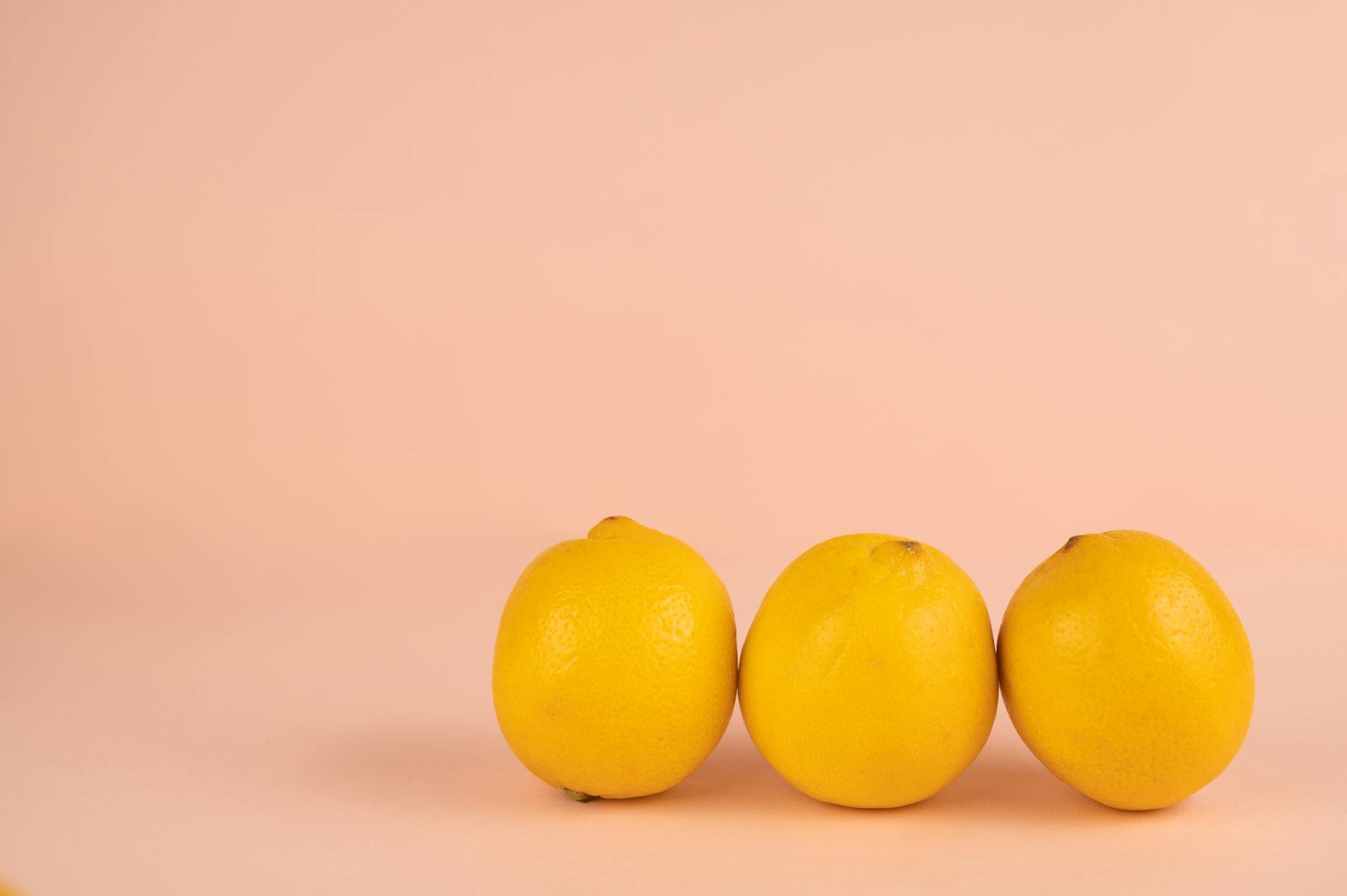
Here's the honest part about vibration
Vibration feels good. That's not in question. But if you've ever tried a traditional vibrator and felt like something was missing, or if you found yourself needing it on the highest setting to feel anything at all, you're not broken. Your body is responding to a gap in stimulation that vibration alone can't fill. That's where suction comes in.
The clitoris has roughly 8,000 nerve endings concentrated in an area about the size of a pea. Those nerves aren't distributed evenly. Some cluster around the external glans. Others sit deeper in the tissue, in spots that a steady buzz simply can't reach. Suction wakes up those deeper clusters by creating rhythmic pressure changes that stimulate from multiple angles at once.
The neuroscience of suction versus vibration
When your skin experiences vibration, nerve endings called Pacinian corpuscles fire repeatedly at the frequency of the vibration. A typical vibrator delivers somewhere between 20 and 100 hertz. That's a consistent, predictable signal. Your nervous system gets used to it fast. This is why people often find they need to increase intensity over time, or switch to a different toy altogether.
Suction works differently. Instead of a single frequency hammering one type of nerve, suction creates a pulsing pressure that stimulates multiple nerve types simultaneously. Meissner's corpuscles (sensitive to light touch and pressure changes) fire alongside Pacinian corpuscles (sensitive to vibration), alongside mechanoreceptors deeper in the tissue. You're engaging a broader neural network.
The lemon clitoral vibrator design uses air-pulse technology to create this suction effect. It's not a simple seal and pull. It cycles through rapid suction and release, which means the clitoral tissue experiences both negative pressure and a rebound phase. That rhythm mimics some of what happens naturally during arousal, which is why many people report that lemon vibrators feel more like direct stimulation than abstract buzziness.
Why this matters for your body specifically
If you have a sensitive clitoris, vibration can actually feel uncomfortable. Direct buzzing creates too much surface noise. Suction, by contrast, distributes pressure across a wider area, so intensity feels less sharp. That's also why lemon vibrator settings for sensitive clitoris tend to be more forgiving than their vibration counterparts.
If you've used hormonal birth control, your neural sensitivity to vibration may have shifted. The hormones in some pills change how your nerve endings respond to stimulus. People on hormonal birth control sometimes find that lemon clitoral vibrators work better than traditional vibration, partly because suction doesn't depend on the same sensory pathways.
If you're older or post-menopausal, the tissue around the clitoris becomes slightly less plump over time. Suction actually benefits from this. It creates a more pronounced seal, which means more effective stimulation. This is one reason lemon vibrators become more effective with age. Your body isn't changing in a way that makes pleasure harder. It's changing in a way that makes certain types of stimulation work better.
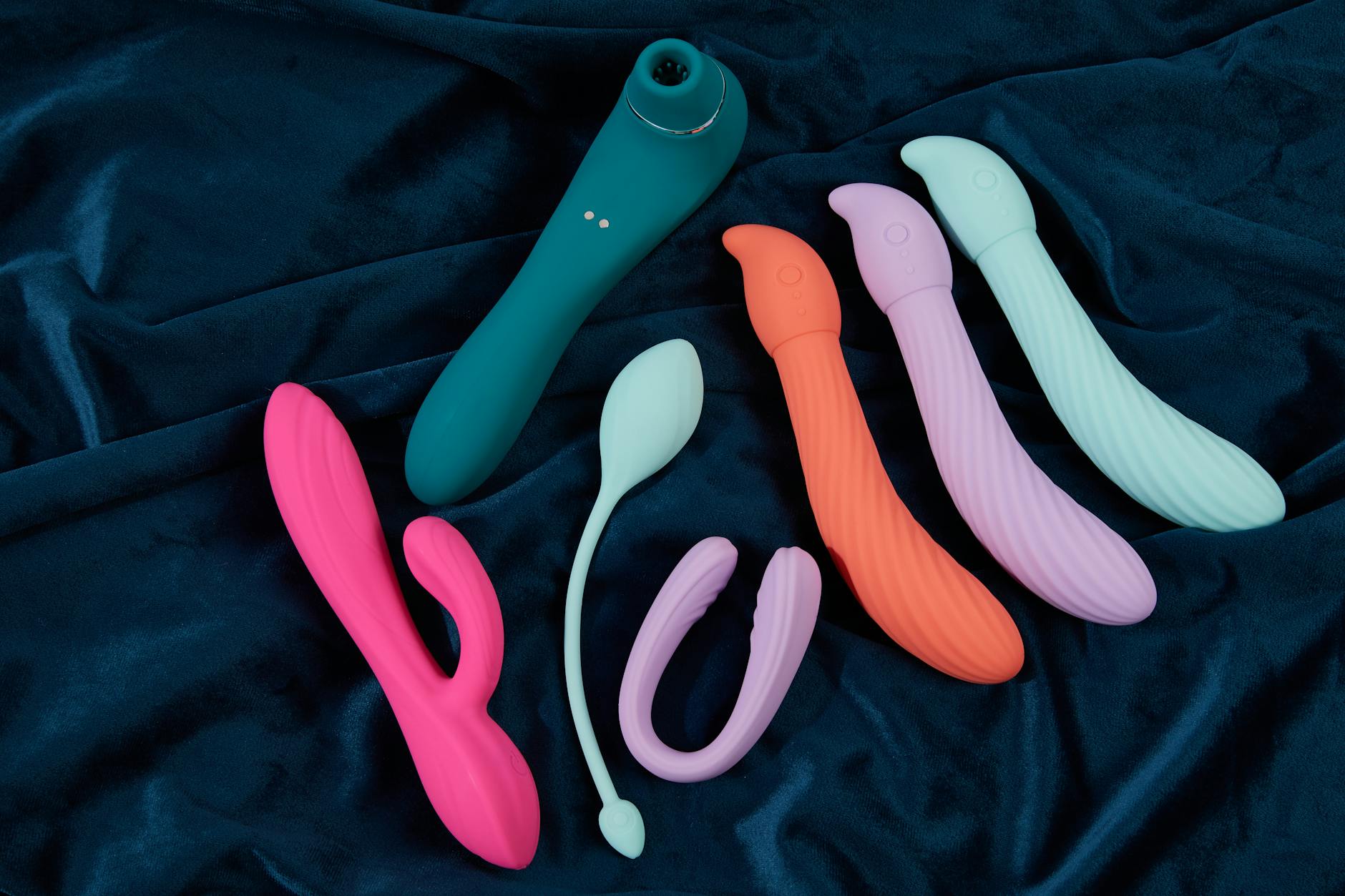
Photo by IFONNX Toys on Pexels
The practical difference in how it feels
When you use a lemon vibrator with suction, the sensation often feels like something is drawing your clitoris into the device, rather than vibrating against it. That pulling sensation can feel more grounded, more present. Many people describe it as feeling more like partnered oral sex than any other toy, which makes sense neurologically. The suction mirrors the rhythm and pressure variation of actual oral stimulation.
With vibration alone, the stimulation is consistent. Once you get used to it, the novelty wears off faster. The nervous system adapts, and you chase higher settings. With suction, each pulse cycle is slightly different because your tissue responds differently in each phase of the pulse. Your nervous system has to stay engaged. Boredom is less likely.
This also matters if you use a toy with a partner. Suction lets you feel more sensation throughout the experience because you're not locked into a single sensory pathway. You can notice the toy, notice your partner, notice your own responses. It's less dissociative than vibration often is.
The tissue thickness factor that nobody mentions
This one's weird but real. The tissue of the clitoral glans has a specific thickness that determines how vibration travels through it. If tissue is very thin or very thick, vibration can pass through without much sensation at the surface where your nerves actually live. Suction doesn't have this problem. It works by creating pressure differences, not by passing energy through tissue.
This is partly why some people find that certain vibrators feel like they're buzzing deeper inside, while others feel more superficial. It's not about the vibrator. It's about the match between the vibrator's frequency and your specific tissue composition. Suction bypasses this entirely. The pressure it creates is distributed based on anatomy, not frequency.
After pelvic floor physical therapy, when tissue can be tender or swollen, suction is often easier to tolerate than vibration because it doesn't create the same mechanical friction. That's why lemon vibrators are often recommended for recovery after pelvic floor PT.
The intensity scaling problem that vibration creates
With a traditional vibrator, intensity is pretty binary. It's on or off, or it has a few speed settings. As your body adapts (usually within a few sessions), you chase higher settings. The device delivers more hertz. Your nervous system adapts again. Eventually, you hit the ceiling of what the vibrator can do, and you either need a new toy or you accept a reduced experience.
Suction devices like the lemon vibrator scale differently. They have intensity settings, sure, but the scaling is based on suction strength and pulse rhythm, not just frequency. You can find sweet spots at lower settings that traditional vibrators can't match. This actually gives you more room to explore before you need to upgrade to something else.
What the research actually says
The clinical evidence on suction versus vibration is still thin (the pleasure tech industry is weirdly behind on funding research). But the evidence that does exist is pretty clear. A 2020 study in the Journal of Sexual Medicine found that suction-based devices were associated with higher reported pleasure and shorter time-to-orgasm compared to vibration-only devices, especially among people with low baseline sensitivity to vibration.
One caveat: some people are wired for vibration. They prefer it. That's not a failure of suction. It's just that you have a different neural preference, and that's completely normal. The point isn't that suction is objectively better. It's that if you've been assuming traditional vibration is your only option, suction is worth exploring.
When to actually try suction
Try suction if you've used traditional vibrators and found yourself in one of these camps: needing the highest setting to feel anything, feeling like the stimulation is somehow not quite right even when it feels good, preferring partnered oral sex to any toy you've tried, or having tissue sensitivity that makes direct vibration uncomfortable.
Don't try it expecting magic. No toy works for everyone. But if vibration hasn't delivered, suction often does. The lemon vibrator design specifically creates smooth, rhythmic suction without the harshness of older air-pulse devices. It's a good entry point to understanding why your body might be asking for something different.
Photo by FounderTips on Pexels
The partner conversation
If you're exploring lemon vibrators with a partner, the suction element can actually deepen things. Because suction feels less like a toy and more like an extension of touch, some couples find it easier to integrate into partnered sex. You're not fighting a vibration frequency that overstimulates or feels mechanical. You're adding a layer of sensation that augments what you're already doing together.
For long-distance relationships, the shift from vibration to suction can matter too. If you're used to simple vibrators, suction offers more variety in sensation, which means less boredom during solo exploration. That might matter more than you'd think when sex happens primarily alone.
Why your nervous system actually cares
Here's the thing nobody puts in the marketing copy. Your nervous system is lazy in the best way. It adapts to patterns super fast. Once it knows what a stimulus is, it tunes it out slightly. Vibration is a predictable pattern. Your nervous system files it away. Suction is less predictable because tissue response changes the pressure dynamic in real time. Your nervous system stays alert. That alertness is pleasure.
This is also why varying intensity and pulse patterns on a lemon vibrator tends to feel better than steady buzzing on a traditional toy. You're giving your nervous system new information to process, which keeps it engaged.
FAQ
Does lemon suction work if I've never had an orgasm with a vibrator before?
Maybe. If traditional vibration never clicked, suction is worth trying. But "never had an orgasm with a vibrator" is often a signal that either the toy wasn't the right fit, the setting wasn't right, or you needed longer warm-up time. Before investing in a lemon vibrator, experiment with lemon vibrator intensity settings as a beginner to understand what your body actually needs. Suction is great, but it's not magic.
Can I use a lemon vibrator if I have a really sensitive clitoris?
Yes, and often better than with vibration. Suction distributes pressure across a wider area, so intensity feels less sharp. Start at the lowest setting and work up. The pulsing rhythm is gentler than constant vibration, which many people with sensitivity find more comfortable.
How is suction different from vibration in terms of feeling?
Vibration feels like buzzing. Suction feels more like rhythmic pressure and release, similar to oral sex. Many people describe it as feeling more present and grounded. Suction also tends to be less numbing because your nervous system doesn't adapt to it as quickly.
Do I need to warm up longer before using a lemon vibrator?
Not necessarily. Some people find suction works fine without extensive warm-up. Others prefer to build arousal first. The benefit of suction is that it engages multiple nerve types, so you might find you need less time to build sensation than you do with vibration.
Can suction toys cause any damage to clitoral tissue?
No, not with proper use. Suction doesn't create friction or mechanical trauma the way some toys can. If you use the lowest setting and your body feels comfortable, the tissue is fine. If suction ever feels painful (not just intense, but actually painful), stop and try a lower setting or take a break.
What's the difference between a lemon vibrator and other suction toys?
Lemon vibrators use air-pulse technology that creates smooth, rhythmic suction without the aggressive grab of older designs. The seal is gentler, the pulse rhythm is more refined, and the overall experience feels more natural. If you've tried other suction toys and found them uncomfortable, a lemon clitoral vibrator might hit the middle ground you're looking for.
The bottom line
Suction isn't better than vibration universally. But if vibration has left you cold, suction probably won't. Your nervous system is wired for variety, and suction offers a type of stimulation that vibration simply can't replicate. That's not a flaw in you. It's a gap in the toy landscape that lemon vibrators actually fill. Give it a try. Your pleasure is worth the experiment.
If you have questions about which approach might work for your specific situation, we're here to help. Reach out at /contact and let's talk through what might actually work for your body.