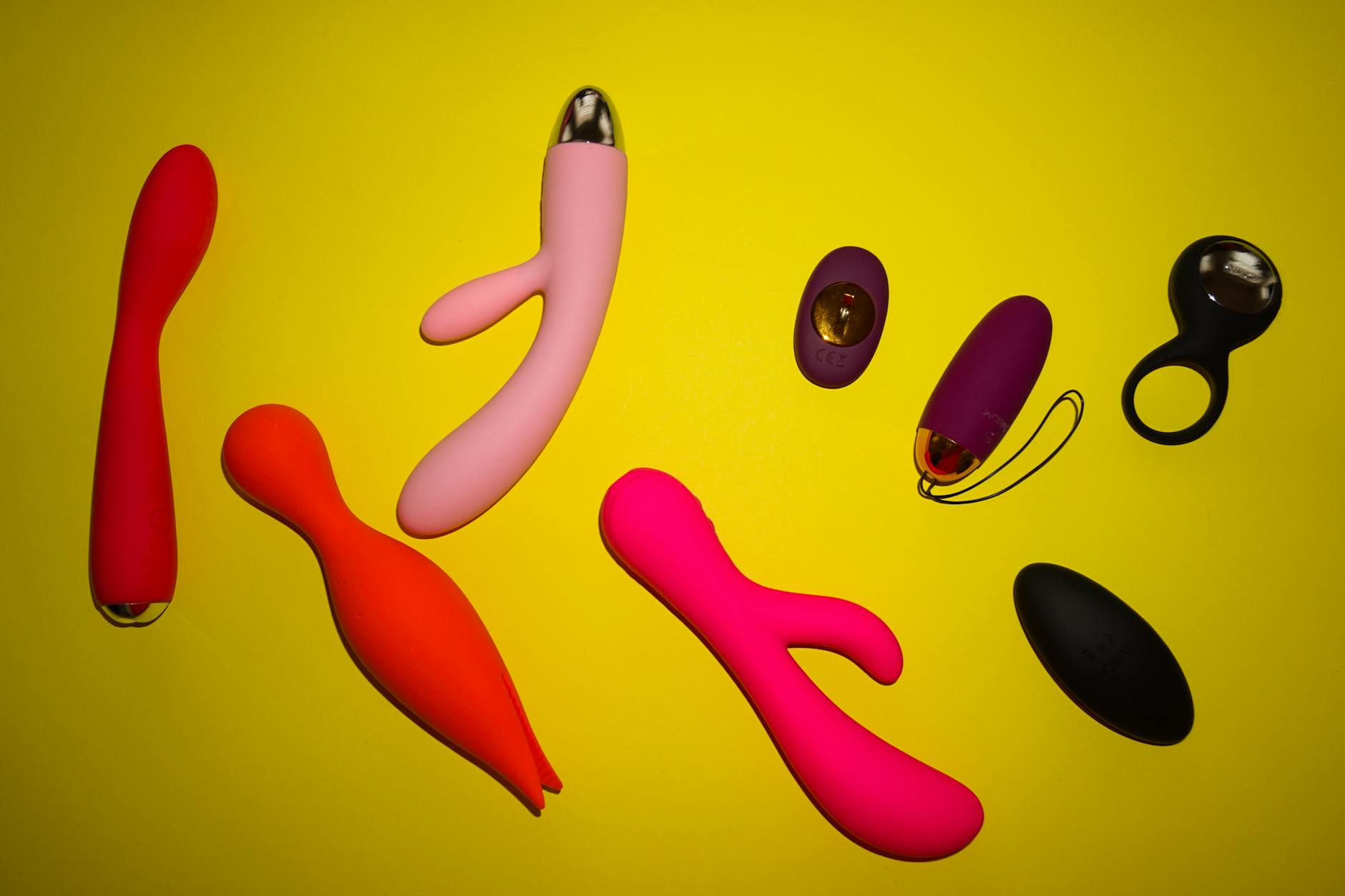
Here's the thing about numbing cream and lemon vibrators
You buy a numbing product because you want to last longer, feel less, or reduce what sometimes feels like oversensitivity. Then you use a lemon clitoral vibrator on top of it and wonder why the whole experience feels muted. Like you're touching yourself through a thick glove. The toy isn't broken. The product is working exactly as designed. It's just working against what actually makes suction-based pleasure work.
Let me explain why, and what your real options are.
How suction vibrators actually create sensation
Lemon vibrators, including the popular Lem, work through a specific chain of events. The suction creates pressure changes against the clitoral tissue. Those pressure waves trigger nerve endings on the surface of the skin and deeper in the glans. Your brain receives that signal. Everything cascades from there.
That feedback loop is everything. You're not just feeling the suction. You're feeling the suction, processing it, and that processing is what creates arousal, pleasure, and the building sensation that leads to orgasm. Interrupt any part of that chain and the whole thing loses momentum.
Numbing products interrupt it immediately.
What happens when you layer numbing on top
Most topical numbing products contain lidocaine or benzocaine. Both work by blocking sodium channels in nerve cells. They stop nerves from firing. Which is fine if you're treating a canker sore. It's catastrophic if you're trying to feel pleasure.
When you apply a numbing cream before using a lemon vibrator, you're essentially telling your nervous system to go quiet. The suction is still happening. The toy is still functioning perfectly. But the signals that should be traveling from your clitoris to your brain are dampened or blocked entirely. You feel pressure. You feel movement. You don't feel the nuanced sensation that builds arousal.
Many people report that orgasms under numbing feel distant or muted. Or they don't happen at all, because the feedback loop never ignited in the first place.
Why people reach for numbing products in the first place
There are legitimate reasons someone might want to reduce sensation temporarily. Oversensitivity after hormonal shifts, tender tissue from medical procedures, anxiety that makes touch feel overwhelming, or partners using numbing to extend stamina during partnered sex.
The problem is that numbing is a blunt instrument. It doesn't distinguish between pain and pleasure. It just shuts down sensation wholesale.
If what you're actually experiencing is pain (not oversensitivity, but actual discomfort), numbing is a band-aid over a problem that needs real diagnosis. Genitourinary syndrome of menopause, tissue damage, infections, or pelvic floor dysfunction all feel different and all need different solutions. Numbing them doesn't fix them. It just hides them while you keep damaging tissue.
The relationship angle: numbing and performance anxiety
Here's where this gets complicated. Many people (particularly those with penis-in-vagina anatomy concerns) use numbing products because of performance pressure. Staying hard longer. Delaying orgasm. Proving something.
If that's the real issue, numbing isn't solving the problem. It's performing a solution while the actual problem gets worse. And if a partner is using numbing cream and then wondering why a lemon clitoral vibrator isn't working the way it should, you've got a communication gap underneath the numbness.
The conversation worth having is why sensation itself feels like a threat. That's a relationship dynamic question, not a product question.
What actually works if you have oversensitivity
Four approaches that address the real problem instead of numbing the signal:
Lower intensity first. Most lemon vibrators have multiple settings. Start at setting one or two. Give your body time to acclimate. Intensity can always go up. Sensation can rebuild over minutes. Numbing takes 10-20 minutes to fully wear off.
Extended warm-up. Oversensitivity often means your nervous system is in a heightened state. Spend 15-25 minutes on non-clitoral touch first. Let your system settle. By the time you introduce the toy, sensitivity often normalizes naturally.
Check your pelvic floor. Tension in the pelvic floor can make the clitoris feel unbearably sensitive. A pelvic floor physical therapist can teach you how to release that tension. A few sessions often solves what numbing never could.
Lubrication, not numbing. If the issue is friction sensitivity, water-based lube works better than numbing. It reduces mechanical irritation without blocking sensation. You still feel the toy. You just feel less friction.
The numbing-and-partner-sex conversation
If a partner is using numbing cream to extend stamina, the real conversation is about what you both actually want from sex. Longer isn't always better. Presence is. Connection is. If numbing is the solution, the actual problem might be speed, pressure, positioning, or emotional distance that the numbing is masking.
A lemon vibrator during partnered sex works beautifully. But it works best when there's no numbing involved, because you actually get to feel what's happening and respond to it. That responsiveness is what creates good sex, not duration.
If lasting longer is the goal, there are evidence-based approaches. Pelvic floor exercises. Positioning changes. Condoms with numbing already built in (if that's what works for you). Talking openly about pace. None of those require sacrificing sensation on anyone's side.
When to genuinely see someone
If you're reaching for numbing because touch feels consistently painful or unbearable, that's a sign something needs evaluation. Not numbing. Not ignoring. Evaluation.
A gynecologist or sexual health specialist can run through the actual causes. Vulvodynia, lichen sclerosus, hormonal changes, nerve damage, pelvic floor dysfunction. Each has a different path forward. Most are treatable. None get better because you numbed them.
Same story if a partner is numbing because orgasm feels impossible or distant. That's worth talking through with a sex therapist or doctor. It might be medical. It might be psychological. It's almost never solved by thickening the wall between sensation and response.
The bottom line on lemon vibrators and sensation
Lemon clitoral vibrators work because they create sensation. Numbing products work by erasing sensation. Those two goals are incompatible. You can't have both.
If you're tempted to numb, the real question isn't how to block feeling. It's what about feeling is uncomfortable, and is there a better solution. Often there is. Intensity adjustments. Better communication. Professional help. Physical therapy. Time.
Numbing isn't a solution. It's a pause on the problem while the problem keeps going underneath.
People also ask
Can you use a lemon vibrator after numbing cream wears off?
Yes. Once the numbing wears off, usually after 15-30 minutes, sensation returns and a lemon vibrator will feel normal again. The safest approach is to let the numbing fully dissipate before using any vibrator, to avoid the disorientation of fluctuating sensation.
Does numbing cream affect silicone toys like the Lem?
Numbing cream doesn't damage the silicone itself. But it does block the sensation that makes the toy effective. The toy works fine. Your nervous system is the bottleneck, not the device.
What's the difference between numbing cream and a desensitizing condom?
Desensitizing condoms have numbing built into the material itself, usually on the inside to reduce sensation for the wearer. They're designed for specific anatomy and lower-stakes use. A topical cream applied to delicate tissue beforehand is much stronger and much more likely to interfere with partnered pleasure and lemon vibrator use.
Is oversensitivity normal, and should I be worried?
Oversensitivity is common, especially after hormonal changes, during certain phases of your cycle, or during stress. It's not an emergency. But it's worth understanding what's driving it. Oversensitivity and pain are different problems with different solutions. A healthcare provider can help you figure out which you're dealing with.
Can my partner help if I'm oversensitive?
Absolutely. A partner can slow down, reduce pressure, spend longer on warm-up, and check in about what actually feels good versus what feels like too much. That conversation alone often reduces oversensitivity because it lowers the anxiety that's usually fueling it. A lemon vibrator combined with patient, attentive partnered touch beats numbing every time.
Should I tell my partner I'm using numbing products?
If you're numbing because of something happening during partnered sex, yeah. Not to shame anyone. To solve the actual problem. "This intensity feels overwhelming" or "I need slower warm-up" or "I want to focus on external pleasure for a while" are conversations that lead somewhere. Numbing silently and then both feeling confused doesn't.
What to do instead
If sensation feels off, start here. Adjust intensity on your lemon vibrator. Extend your warm-up. Check in with your pelvic floor. Add lubrication. Talk to your partner about what actually feels good. Give yourself time to acclimate to changes in your body.
If that doesn't shift things after a few weeks, talk to a healthcare provider. Oversensitivity is solvable. Numbness is just numbness. You deserve the full experience.