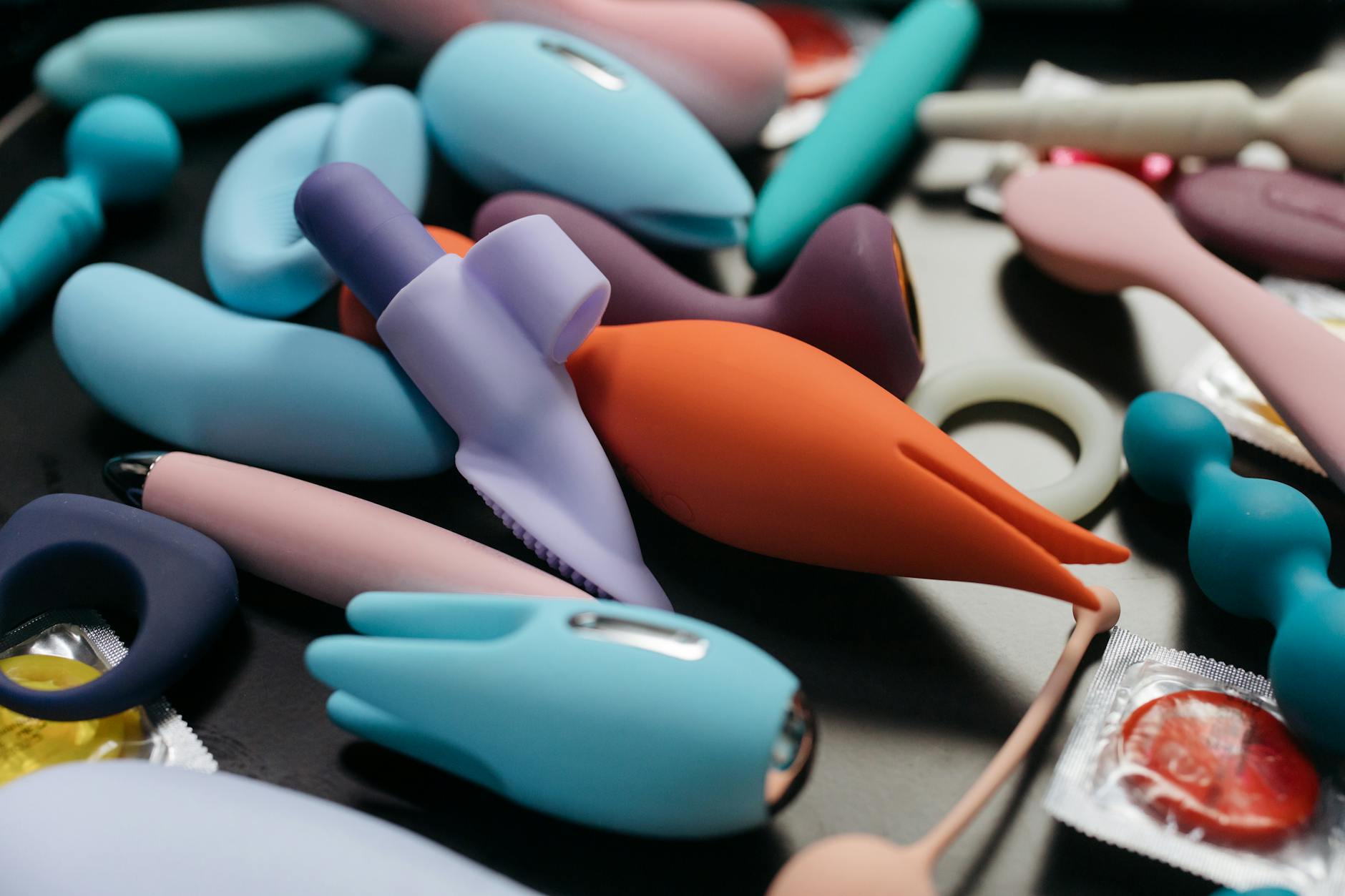
Let's start here: pleasure after trauma isn't a straight line
Healing from sexual trauma doesn't have an expiration date. Your body remembers what happened, and that memory shows up during intimacy in ways that can feel unpredictable, unwelcome, or confusing. The nervous system doesn't just forget. It protects.
So when you think about reintroducing pleasure tools like lemon clitoral vibrators, it's not about forcing yourself back to "normal." It's about slowly, deliberately, on your own schedule, reclaiming your body as a source of safe sensation.
Why traditional vibrators can feel triggering during recovery
Most vibrators are designed for speed and intensity. They buzz hard. They're loud. They demand a lot from your attention and your body's responses. For someone in early-stage trauma recovery, that intensity can feel threatening instead of pleasurable. Your nervous system, already on high alert, interprets the sensation as overstimulation rather than arousal.
Lemon vibrators work differently. They use suction and gentle pressure instead of aggressive buzzing. That's not just a comfort thing. It's neurologically significant. Suction technology stimulates nerve endings without the same penetrating force. It's gentler. More controllable. The sensation builds gradually instead of hitting hard all at once.
That difference matters when you're relearning what safe pleasure feels like.
The nervous system piece (and why it matters)
Trauma lives in the nervous system. When you experience sexual trauma, your brain categorizes your body as a place where bad things happen. Pleasure becomes suspect. Arousal becomes a warning sign instead of a welcome feeling.
Healing means slowly teaching your nervous system that sensation can be safe again. That touch, even self-touch, doesn't have to lead anywhere you don't want it to go.
Lemon vibrators support that work because they're quieter, more predictable, and easier to stop if something doesn't feel right. You're in control. You set the intensity. You decide how long you use it. That control is healing on its own.
Many of my clients describe the first time using a lemon vibrator during recovery as "different." Not overwhelming. Not flashback-inducing. Just gentle sensation that feels like theirs.
Starting over: a practical framework
If you're thinking about reintroducing pleasure tools after trauma, here's how I suggest approaching it.
Session 1: Exploration without expectation. Hold the vibrator. Don't turn it on. Get familiar with its weight, texture, shape. This is about your body learning that the object itself isn't a threat. Spend 5-10 minutes with it while clothed or while doing something else entirely. You're not trying to feel aroused. You're just building familiarity.
Session 2: Sensation at the lowest setting. Turn it on at the lowest intensity. Use it on your inner arm, your collarbone, anywhere far from your genitals. Feel how the suction feels on neutral skin. Notice whether you feel safe. There's no right answer here. Just information.
Session 3: Genitals, external only, lowest setting. If the previous session felt okay, you might gently rest the vibrator on your outer labia at the lowest setting. No pressure. No expectation of arousal. Just sensation for 2-3 minutes, then stop. You're teaching your nervous system that touch can happen there and still be safe.
Session 4 onward: Whatever pace feels right. Some people move through these stages in weeks. Others take months. Neither is wrong. Your pace is the only correct pace.
What you might feel (and what it actually means)
Dissociation during self-pleasure is common after trauma. Your mind floating away. Your body feeling separate from you. It's not failure. It's your nervous system trying to keep you safe.
If that happens, pause. Ground yourself. Feel your feet on the floor. Notice the room you're in. When you're ready, you might try again at a lower setting, or you might stop for today. Both are choices, not setbacks.
Some people report that lemon vibrators feel less intense than traditional vibrators, which means they can stay present longer. Presence is huge in trauma recovery. The more you can stay in your body during pleasure, the more your nervous system learns that sensation doesn't equal danger.
The partner conversation, if there is one
If you're healing with a partner, the single most important thing you can communicate is what you need them not to do. Don't surprise me. Don't pressure me. Don't interpret slowness as rejection. Let me lead.
Some people in recovery find it safer to explore pleasure alone first, then introduce a partner later. Others prefer to have a partner present but not touching. Others want participation. There's no hierarchy of healing. What matters is that you get to decide what your healing looks like.
When to seek professional support
If flashbacks are happening during self-pleasure, or if you're struggling to feel safe in your body at all, working with a trauma-informed therapist isn't optional. It's essential. EMDR, somatic experiencing, and trauma-focused cognitive behavioral therapy are all evidence-based approaches that can help your nervous system recalibrate. A lemon vibrator is a helpful tool alongside that work, not a replacement for it.
The long view
Healing from sexual trauma is possible. Your capacity for pleasure is still there. It's not broken. It's protective. And slowly, with patience and the right tools, you can reclaim it.
Lemon vibrators, with their gentler suction technology, have helped many of my clients move through that reclamation process without retraumatization. They're quieter. More controlled. Less likely to trigger your nervous system's threat response.
You deserve to feel pleasure again. On your timeline. In your way. Safe.
FAQ: Healing and pleasure after trauma
How long does it typically take to feel comfortable using a lemon vibrator after trauma?
There's no universal timeline. Some people feel ready after a few weeks of gentle exploration. Others need months or longer. What matters is that you're not racing toward a predetermined endpoint. You're moving at the pace that keeps your nervous system regulated. If you're still in the early stages of trauma processing, you might not be ready for any pleasure tool yet, and that's completely normal. Work with a therapist to understand where you are in your healing.
Can I use a lemon vibrator with a partner while I'm healing?
Absolutely, if that feels safe to you. Some people find it grounding to have a partner present and involved. Others prefer solo exploration first. The key is clear communication beforehand. Tell your partner what you need, what feels okay, and what's off-limits. A partner who respects those boundaries is essential.
What if I experience flashbacks or dissociation while using a vibrator?
Stop immediately. Ground yourself using your five senses: notice five things you see, four things you touch, three things you hear, two things you smell, one thing you taste. When you're regulated, you might try again at a much lower intensity, or you might stop for the day. This isn't failure. It's your body communicating. Listen to it. Consider mentioning this to a trauma-informed therapist.
Are lemon vibrators safer than other vibrators for someone in trauma recovery?
Not inherently safer, but better suited to gradual reintroduction. The suction technology is gentler, quieter, and more easily controlled than traditional buzzing vibrators. That control and predictability can make them feel less triggering. But the safest tool is always the one that feels safe to you.
How often should I use a lemon vibrator while healing?
Listen to your body. Some people benefit from weekly exploration. Others prefer monthly. There's no "should" here. If you're using a vibrator and it feels good and safe, that's the right frequency. If it starts to feel obligatory or triggering, scale back.
Is it normal to feel guilt about experiencing pleasure again after trauma?
Yes, absolutely. Survivors often carry shame about pleasure, especially if the trauma involved someone close to them. That guilt is a trauma response, not the truth about what you deserve. Working through that guilt with a therapist is part of reclaiming your body. You are allowed to feel good. You are allowed to experience pleasure. That doesn't dishonor what happened to you.