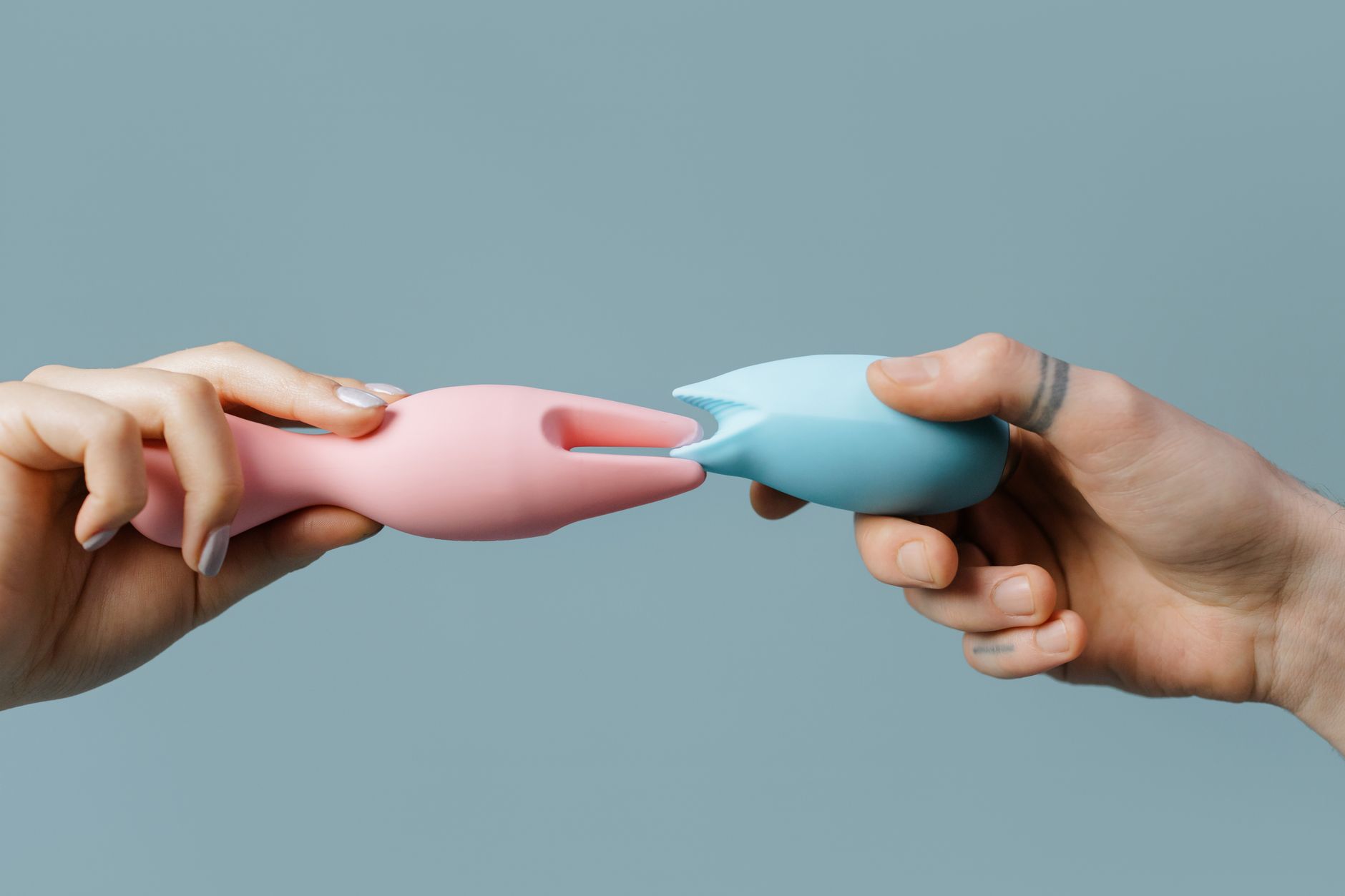
Here's the thing about numbness
You're touching yourself. Everything should feel amazing. But it feels like nothing. Or like it's happening to someone else's body. This isn't you being broken. Numbness during arousal is weirdly common, often fixable, and almost always has a name.
Let me walk you through what causes it, when to worry, and how lemon vibrators can actually help you feel again.
Why your vulva goes numb in the first place
Numbness during sex or masturbation usually lands in one of three buckets.
Anxiety and the nervous system. When your body is stuck in fight-or-flight mode, blood flow pulls away from your genitals and toward your muscles. Your clitoris literally becomes less engorged. Without the blood, there's less sensation. This happens especially if you're stressed about performance, worried about being interrupted, or carrying tension from earlier in the day.
Positional nerve compression. Certain positions, especially prolonged ones, can pinch the pudendal nerve or put pressure on blood vessels. The result feels like numbness or a weird deadness in the area. This often gets mistaken for something worse than it is.
Medication side effects. SSRIs, blood pressure meds, antihistamines, and hormonal birth control can all dampen sensation. It's not your imagination. The nerves literally get quieter.
There's also a fourth, less talked about reason: desensitization from repetitive stimulation in the exact same way. Your nervous system adapts. If you've been using the same technique for years, your body stops noticing it the way it used to.
When numbness is actually a signal
Some numbness is just neurology. Some of it points to something worth addressing.
If numbness is new and sudden, especially if it's accompanied by pain, tingling, or loss of sensation in other parts of your body, talk to a doctor. That can signal nerve damage, a compressed nerve, or a metabolic issue.
If numbness shows up only during penetration or only with certain partners, it's usually anxiety or positioning. Try a different angle or a slower warm-up.
If numbness is everywhere and constant, even outside of sex, that's worth mentioning to your GP. It could be diabetes, a neurological condition, or a medication tweak.
Most of the time though, numbness during arousal is temporary, reversible, and responds really well to a different approach.
How lemon vibrators can actually wake sensation up
Vibration works differently than your hand or a partner's body. A good clitoral vibrator like the Lemon delivers consistent, rapid micro-stimulation that your nervous system can't tune out the way it does with repetitive manual touch.
Here's the neurology part made simple. Your nerves adapt to constant stimulation (a hand moving the same way). Vibration creates novelty. Your brain pays attention again. The stimulation feels new enough that your nervous system doesn't go quiet.
Lemon vibrators are especially useful for numbness because the suction-style stimulation distributes pressure differently than a traditional vibrator. Instead of focusing all the sensation in one spot, it creates a gentle, rhythmic pull that engages more nerve endings at once.
The setup that actually works
If you're dealing with numbness, the standard "jump in and go" approach won't help. You need intention.
Start with your nervous system. Spend 10 to 15 minutes before you even touch yourself getting calm. That means no phone, no performance pressure, nobody watching. Light breathing. Gentle stretching. A warm bath. Your body needs to know it's safe before your nerves will wake up.
Begin with external touch, not the toy. Use your hands first. Move slowly. Notice where you can feel the most sensation right now. That's your starting point, not your destination. Some people find they have more sensation on the outer labia or the pubic mound than directly on the clitoris when numbness is happening.
Introduce the Lemon vibrator on a lower setting. Don't start at the highest intensity. Your nerves need to recognize the sensation first. Use setting 1 or 2. Let it stay in one spot for 5 to 10 seconds, then move it slightly. You're teaching your nervous system to notice again, not chasing an orgasm.
Change the pattern. If you usually use the vibrator the same way every time, that's part of the numbness. Try a different rhythm. Hold it at a different angle. Apply less pressure. Your body will "wake up" faster to variation.
What's actually happening in your body
When you use a lemon clitoral vibrator consistently over a few sessions, a few things shift.
First, your pelvic floor relaxes. Tension in that area restricts blood flow. Vibration helps you release that tension without doing anything complicated. You're literally getting more engorged.
Second, your nervous system gets re-sensitized. Novelty is healing. Your brain says "oh, that's different" and starts paying attention again.
Third, over time, you build a new baseline. You're not chasing the sensation you remember. You're discovering what you actually feel right now. That's often deeper and more complex than "numb or not numb."
Most people report that regular use of a quality vibrator like those from Lemon Toy Shop transforms numbness in 2 to 4 weeks. Not because the toy is magic. Because your nervous system is getting permission to feel again.
The partner conversation, if you're in one
If you're with a partner, numbness can feel like rejection. It isn't. It's a signal that something in your body needs to shift.
The best conversation isn't "I can't feel anything." It's "I want to try something different to help myself feel more." That's collaborative instead of accusing. Introduce the vibrator as exploration, not as a replacement for them.
Let them see how it works. Sometimes partners feel less insecure when they understand the neurology. You're not leaving them out. You're tuning back in to yourself so you can be more present with them.
When to see someone
If numbness persists after 4 to 6 weeks of consistent use and intentional warm-up, that's worth a conversation with a pelvic floor physical therapist or a gynecologist who specializes in sexual health. Ongoing numbness can sometimes point to nerve compression, endometriosis affecting the pudendal nerve, or something hormonal that needs adjusting.
But honestly, most of the time, numbness is your nervous system saying it's been numb in other ways too. Stressed. Rushed. On autopilot. A lemon vibrator isn't the answer all by itself. It's the tool that helps you stay present long enough for your body to wake up.
FAQ
Is numbness during masturbation normal?
Yes. Anxiety, tension, medication, and repetitive stimulation all cause it. It's one of the most common things I hear about. The fact that it's happening doesn't mean something is wrong with you. It means your body is responding to stress or habit the same way it always has.
Can a vibrator make numbness worse?
No, but using it the wrong way can prevent it from helping. If you use it aggressively or at the highest intensity right away, you might just further numb the area. Start low. Start slow. Let sensation build.
How long does it take to feel normal again?
Most people notice a shift within 2 to 4 weeks of regular, intentional use. But "normal" is tricky. You might not go back to what you felt before. You might feel something deeper and quieter. That's often better.
Should I use numbing cream before using a vibrator?
Absolutely not. Numbing cream masks the problem. Your nervous system needs to reconnect. Numbing it further just delays that. The goal is sensation, not absence of sensation.
Can numbness be caused by my vibrator?
If you've been using the same toy at high intensity in the same way for years, yes. Your nerves adapt. Switch toys. Change your technique. Add more time between sessions if you're using one daily. Novelty helps.
What if numbness is only on one side?
That's often positional or pelvic floor tension on that side. Try lying on your back instead of your side. Use a pillow under your hips to shift the angle. See a pelvic floor PT if it persists. Asymmetrical numbness usually means asymmetrical tension.
Numbness isn't the end of your pleasure. It's usually just your body asking for a different approach. Listen to it. Use the right tool. Be patient. You'll feel again.