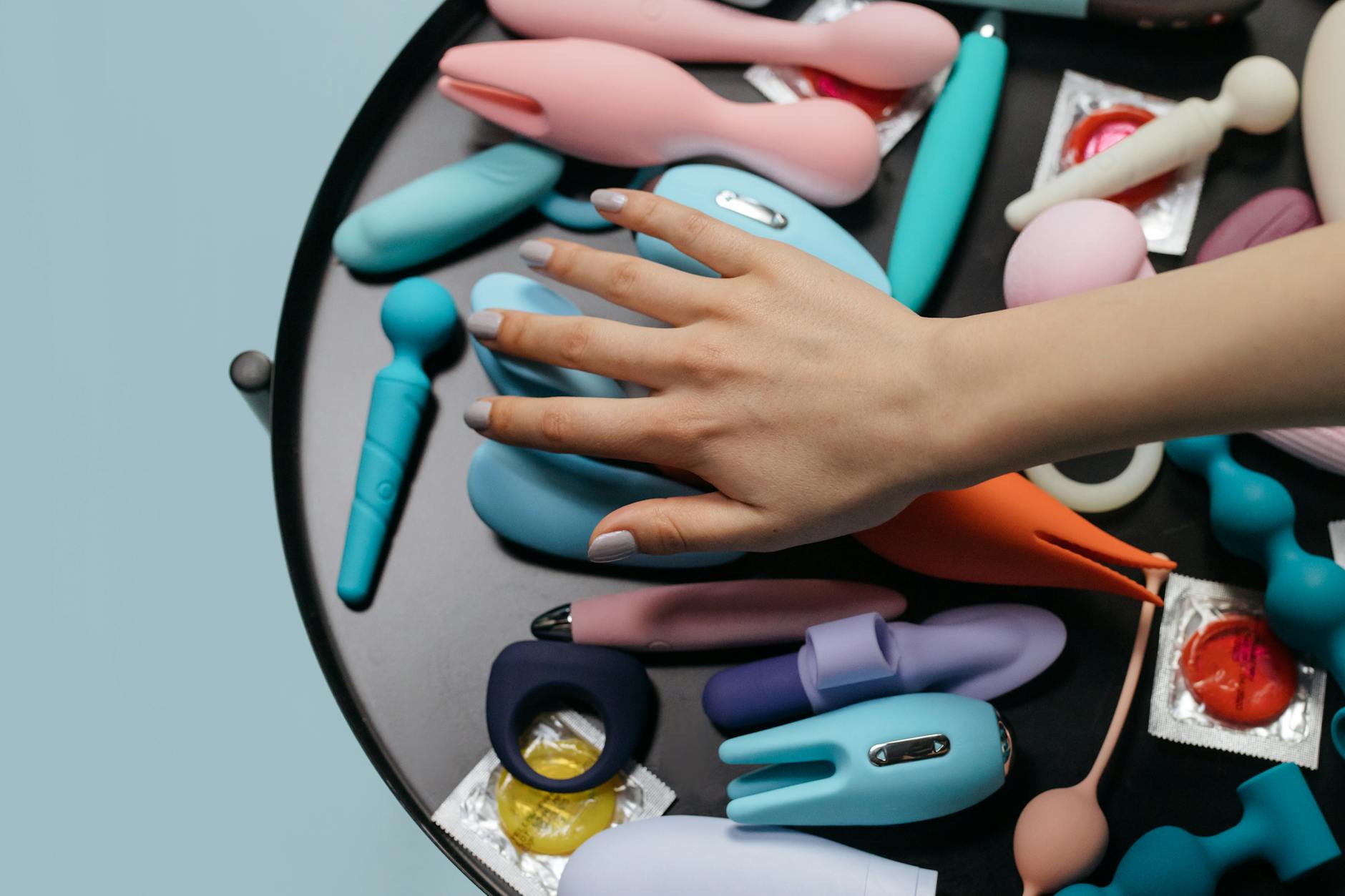
How to Use Lemon Vibrators When Your Body Feels Hypersensitive to Touch
Let's be real. Hypersensitivity to touch is confusing because it sounds like you should want more stimulation, but actually, even gentle touch can feel overwhelming or painful. Your nervous system is stuck in a loop where signals get amplified before they reach your brain, and suddenly a touch that should feel good feels like static.
The good news: this isn't permanent, and vibrators can actually help you recalibrate. The key is understanding the difference between the right tool and the wrong tool, and knowing how to use it in a way that helps your body feel safe again.
What hypersensitivity to touch actually is
Hypersensitivity isn't being "sensitive" in the delicate way. It's a nervous system response where your body treats normal stimulation as a threat. This can come from stress, trauma, medication side effects, autoimmune conditions, anxiety, or even prolonged numbness that suddenly switches to overload.
When you're hypersensitive, direct finger touch, rough fabrics, or even standard vibration patterns can feel unbearable. It's not about willpower or relaxation. Your nervous system genuinely needs a different approach.
The reason clitoral vibrators help is counterintuitive. Instead of sharp, unpredictable touch, they deliver consistent, measurable stimulation. Your brain can actually track and predict it, which makes your nervous system relax instead of bracing.
Why lemon vibrators work for hypersensitive bodies
Not all vibrators are equal here. The best option for hypersensitivity is a lemon sucker or air-suction vibrator like the Lemon Clitoral Vibrator, rather than a traditional buzzing wand.
Here's why. Traditional vibrators create rapid back-and-forth movement that, for hypersensitive people, can feel like noise. Air-suction vibrators create gentle pressure and release in a rhythmic pattern that feels more like touch and less like buzzing. The sensation is broader, smoother, and less jarring.
Lemon clitoral vibrators operate on suction technology, which means the stimulation is distributed across the whole area instead of concentrated on one point. For someone whose nervous system is already in overdrive, that gentleness matters.
Start with the lowest setting, then work backward from there
If you've used vibrators before hypersensitivity set in, you probably have a favorite pattern or intensity. Forget it. Start at setting 1, which feels almost like nothing, and sit there for a few minutes.
Your job isn't to chase sensation. It's to teach your nervous system that this stimulation is safe and predictable. Spend at least 5-10 minutes at the lowest setting before considering moving up. Many people with hypersensitivity find that the lowest settings are actually where the pleasure lives.
This isn't a race. If setting 1 feels good and you spend your whole session there, you've won.
Build a ritual, not just a habit
Hypersensitivity often has an emotional component, even if it started physically. Your body learned that touch wasn't safe, and now it's protective. Rituals help you signal to your nervous system that this is different.
Before you even pick up the vibrator, spend 5 minutes in a warm shower or bath. Use a soft towel. Light a candle or dim the lights. Tell yourself out loud: "This is about me feeling good. This is safe."
These aren't fluffy add-ons. They're nervous system regulation. Your brain needs permission to believe that pleasure is coming, and ritual gives it that permission.
Use lubrication as a buffer, not a necessity
With hypersensitivity, lube does double duty. First, it reduces friction. Second, it's a gentle layer between your skin and the toy, which can feel psychologically protective.
Use a water-based lube generously. Not because you need it physiologically, but because the slickness changes how the vibration feels. It becomes softer, less direct, more diffused. For hypersensitive bodies, that's often the difference between feeling triggered and feeling good.
Pair it with breathing and grounding
If you feel triggered during a session, your instinct is to push through. Don't. Instead, stop the vibrator and try this: breathe in for 4 counts, hold for 4, out for 6. The longer exhale tells your nervous system there's no threat.
While using the lemon vibrator, keep your eyes open or focused on something stable in the room. Some people find that placing one hand on their heart or belly, feeling their own heartbeat, anchors them to the present and out of the protective loop.
These techniques aren't distractions. They're active communication with your nervous system.
When sensation comes back, don't rush to turn it up
Many people with hypersensitivity report that after a few weeks or months of using lemon vibrators consistently, sensation starts to normalize. The overwhelming feeling lifts. This is great.
The mistake is immediately cranking up to higher settings or jumping to more intense stimulation. Your nervous system just learned that this tool is safe at a low intensity. Jumping up too fast can re-trigger the protective response.
Instead, spend a week at each new setting. If you move from 1 to 2, stay there for a solid week before considering 3. Slow progression means lasting change.
Address the root cause if you can
If your hypersensitivity came from a specific medication, talk to your doctor about timing or alternatives. If it's linked to stress or anxiety, working with a therapist who specializes in nervous system dysregulation (like somatic therapy or EMDR) can accelerate healing.
The lemon vibrator is a tool, not a cure-all. But paired with addressing the underlying cause, it becomes much more effective.
The role of consistency
One session where you use a clitoral vibrator gently won't retrain your nervous system. Consistency does. Even 10-15 minutes twice a week sends clearer signals than one long session a month.
Your nervous system learns through repetition. The more times it experiences controlled, gentle stimulation that doesn't hurt, the more it relaxes its guard.
Consider professional support
If hypersensitivity is severe or linked to trauma, a sex therapist or somatic practitioner can guide you through desensitization with professional insight. They can help you distinguish between "this feels too intense" and "this is actually unsafe," which isn't always obvious when your nervous system is dysregulated.
There's no shame in getting support. Rebuilding sensation after hypersensitivity sometimes needs professional input.
FAQ
Can lemon vibrators actually help hypersensitivity, or will they make it worse?
Clitoral vibrators, particularly suction-based tools like lemon adult toys, can help because they provide predictable, consistent stimulation that your nervous system can learn to recognize as safe. The key is starting at the lowest intensity and going slowly. For many people, they're part of nervous system healing. That said, if you have acute trauma-related hypersensitivity, work with a therapist to make sure timing is right.
What's the difference between hypersensitivity and just needing more foreplay?
Need for foreplay feels like anticipation. Hypersensitivity feels like pain or overwhelming discomfort even with gentle touch. With foreplay, slower stimulation feels good. With hypersensitivity, even gentle touch can feel like static. The lemon clitoral vibrator helps hypersensitivity because it transforms unpredictable touch into predictable, which calms the nervous system. Regular foreplay doesn't address that underlying dysregulation.
How long does it take for hypersensitivity to improve?
It varies wildly, anywhere from a few weeks to several months, depending on the cause. If it's medication-related, it might improve as your body adjusts. If it's stress or nervous system dysregulation, consistent use of gentle lemon vibrators paired with other calming practices accelerates healing. The important thing is not to rush. Your nervous system heals on its own timeline.
Should I use lemon vibrators alone or with a partner?
Either works, but alone is often easier when you're rebuilding. You don't have to worry about someone else's pace or expectations. Once you feel safe with solo sessions, adding a partner's presence (without touch) can help. Eventually, a partner can learn to use the vibrator on you in the same slow, predictable way. But start solo to build trust with your own body first.
Is it normal for hypersensitivity to fluctuate day to day?
Completely normal. Stress, sleep, hormones, and even what you ate that day affect how your nervous system processes touch. Some days the lemon vibrator feels perfect. Other days, even setting 1 feels like too much. This isn't failure. It's your nervous system being human. Honor where you're at each day and adjust accordingly.
Can medication help alongside using vibrators?
Sometimes. If anxiety or trauma is driving the hypersensitivity, medication might help your nervous system relax enough to benefit from gentle stimulation. If the hypersensitivity is a medication side effect, talk to your doctor about timing or alternatives. Vibrators and medical support aren't competing. They work together.
Rebuilding sensation takes time and patience
Hypersensitivity to touch sucks, and the frustration of not being able to enjoy sensation you used to love is real. But your nervous system isn't broken. It's protective. With the right tool, the right pace, and a little professional support if needed, you can retrain it.
Lemon clitoral vibrators are gentle enough to help that process without re-triggering your nervous system. Start slow, be consistent, and trust that your body's capacity for pleasure is still in there. You're just teaching it to feel safe again.
Ready to explore further? Get in touch with us if you have questions about finding the right vibrator for sensitive touch, or check out our buying guide for more personalized recommendations.