
Let's name what just happened
Infidelity is a betrayal of trust, yes. But it's also a rupture in desire, a message that someone went outside the relationship to find what they weren't getting inside it. That message lands differently depending on where you sit. If you're the partner who strayed, you're carrying guilt and the weight of repair. If you're the partner who was betrayed, you're navigating anger, hurt, and the terrifying question of whether you still want this person at all.
Neither of you wants to talk about sex right now. And that's wise. But eventually, when you're ready to rebuild, reconnecting physically matters as much as the apologies.
The gap between forgiveness and desire
Here's something nobody tells you about recovery after infidelity: forgiveness and sexual reconnection aren't the same timeline. You can intellectually decide to stay and emotionally decide to work on things while still feeling completely shut down physically. That's not a sign of failure. It's actually the most honest signal you can get.
Many couples I've worked with thought that more passion, more frequency, or more intensity would repair the damage. It doesn't. What works is slowness, presence, and tools that help you both feel safe exploring pleasure together again.
Lemon clitoral vibrators can be part of that toolkit, but only if you approach them as instruments of reconnection, not Band Aids.
Why vibrators work differently in repair work
When trust is broken, touching becomes loaded. A hand on your shoulder might trigger anxiety. A kiss might feel like an obligation. Your body is holding onto the betrayal, and no amount of willpower will override that.
A vibrator creates distance in a useful way. It's not about your partner's touch. It's about sensation, it's about your own pleasure, and it's about being vulnerable in front of someone without requiring their physical intimacy to make it real. That separation is where safety lives.
For the partner who was unfaithful, using a lemon vibrator together signals something important: "I choose your pleasure. I want to see you come. I'm not trying to convince you I'm someone I'm not." It's humble. It's about reciprocity instead of performance.
How to start the conversation
You need explicit permission before you bring a toy into this. Not the casual kind. The kind that says, "I'm thinking about us, and I want to try something. Can we talk about it?"
The unfaithful partner should initiate. It shows accountability. Frame it this way: "I know touch is hard right now. I'm wondering if there's a way we could explore pleasure together that feels safer. I found something I think might help. Can I show you what I'm thinking?"
If you're the betrayed partner, you get to say no. You get to say "not yet." You get to set every boundary. That power matters.
When you do talk about it, be specific. Talk about what draws you to the idea. Talk about what you're nervous about. Name the fact that this isn't about passion or proving something. It's about rebuilding the ability to be vulnerable together.
The first time using lemon sexual toys together
Put the vibrator on the bed between you before you even touch. Just look at it. Talk about what it represents. This might sound awkward, but emotional awkwardness is preferable to physical awkwardness later.
Start with clothing on. This is not the time for nakedness unless it already feels easy. Maybe you're sitting next to each other, or at opposite ends of the bed. Whoever wants to use it first picks it up. The other person stays present. Not participating yet. Just witnessing.
Begin with the lowest setting. This isn't about reaching orgasm. It's about sensation and the fact that pleasure can still exist in this relationship. Many of my clients report that the orgasm itself feels secondary the first few times. What matters is the thought: "I'm choosing this. They're choosing this. We're in the same room."
Don't rush to full participation. If the betrayed partner eventually wants to use a lemon clitoral vibrator while the other partner watches, that's healing. If the unfaithful partner uses it while the other watches, that's different healing. Neither is more "real" than the other.
Building presence over time
Over weeks, presence can shift. Maybe you move closer. Maybe you're both using vibrators at the same time. Maybe when you're ready to explore partner touch, a lemon vibrator becomes something you use together, one person holding it while the other directs the pressure.
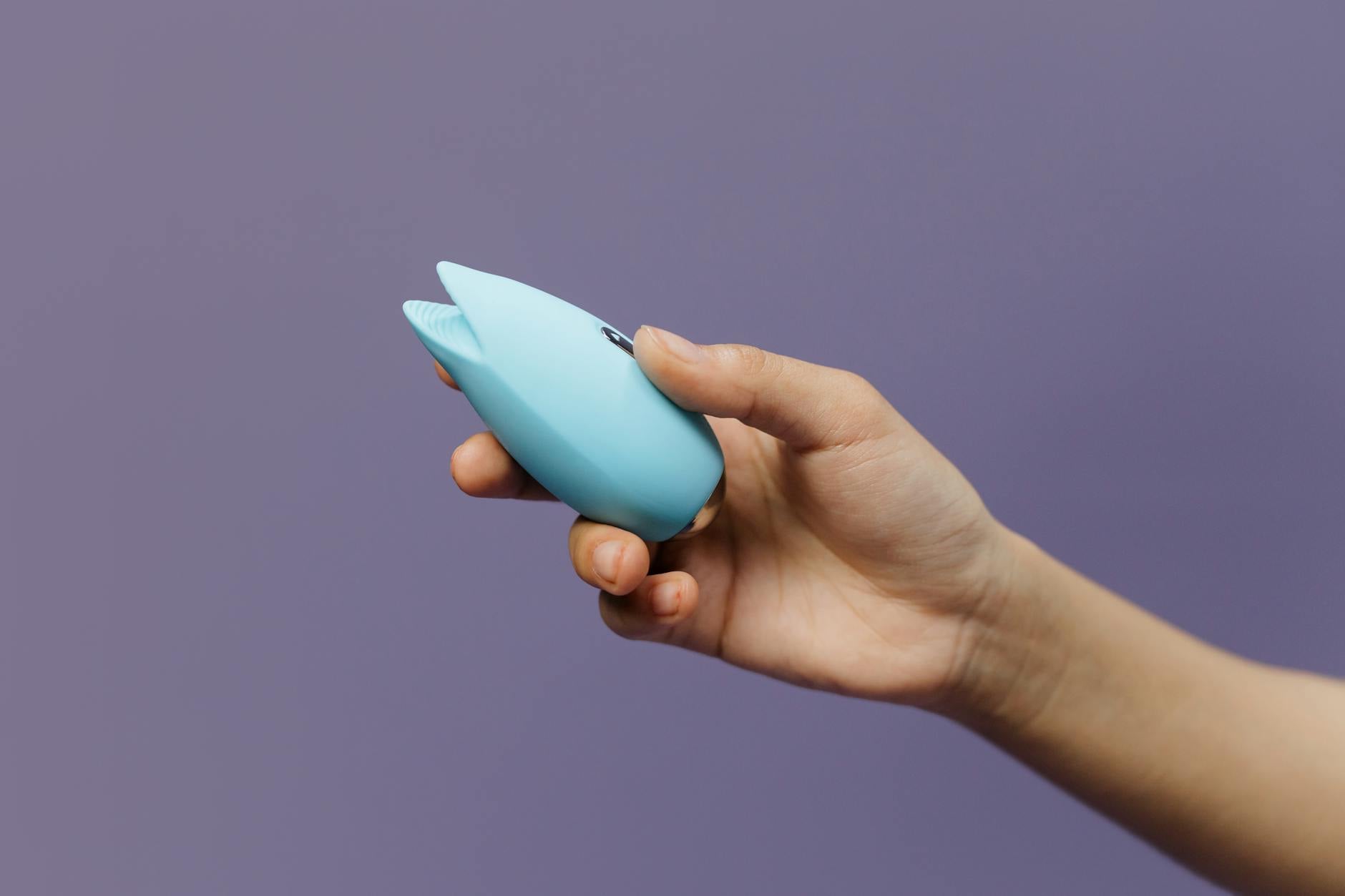
This is where lemon vibrators are genuinely useful tools. They're not replacing anything. They're offering a way to say "your pleasure matters to me, and I want to be part of it without needing to perform my own desire right now."
The key is that every escalation is decided together. No surprises. No assumptions about what's okay. If you agreed that you'd be clothed and suddenly one of you removes clothes, pause. Talk about it. This might feel clinical. That's actually the point.
The emotional architecture underneath
You're not just rebuilding sex. You're rebuilding the ability to be seen by this person and not feel exposed in a dangerous way. You're building a new sexual narrative that doesn't include the betrayal as the default story.
Some couples find that using toys together actually makes them feel closer, because the toy becomes a neutral third party. There's nothing to perform for. Nobody's judging. You're both just here, choosing each other again.
Other couples find that they eventually want to put the toy away and rebuild touch from scratch. Both paths are valid. The toy is the gateway, not the destination.
What to do when it feels stuck
If you've been trying for weeks and it feels worse instead of better, that's information. It might mean you're not ready yet. Or it might mean that sexual reconnection without deeper repair work isn't going to land.
Infidelity recovery usually requires a therapist. A really good one. Relationship work and sexual reconnection work often happen in parallel, but they're not the same conversation. You might need someone to help you rebuild trust in the room before you rebuild it in bed.
If you do go to therapy, it's worth mentioning that you're exploring tools like vibrators. A relationship-trained therapist won't flinch. They might actually support it.
The long game
Riley and Morgan came to me 18 months after Riley's affair. They were stuck. Touch felt dangerous to Morgan. They'd tried talking for over a year with minimal progress. When they introduced a lemon clitoral vibrator into their intimacy work, something shifted. Not immediately. But over months, Morgan could use it in front of Riley without shame, without feeling like she was performing for someone who'd broken her trust. And Riley could witness her partner's pleasure without needing to be the source of it. They rebuilt differently. Not the same as before. Better, actually, because they both had to be present instead of running on autopilot.
Recovery after infidelity is slow. Months, usually. Often longer. But rebuilding intimacy is possible, and lemon vibrators can be one tool in that toolkit. Not the fix. One tool.
People also ask
Is it okay to use toys if my partner cheated?
Yes. Your pleasure matters, especially now. Using a toy alone or with your partner (if they're willing) is about reclaiming your own body and your own desire. Some partners find it helps to use lemon sexual toys together as a way to rebuild intimacy without the pressure of traditional sex.
Can a vibrator help us rebuild trust?
Not directly. But vibrators can create safety and vulnerability in a way that helps trust eventually return. They remove some of the performance pressure from sex, which means you can be more honest about what you're actually feeling.
Should I talk to a therapist before trying lemon vibrators together?
You don't have to, but it helps. A good therapist can help you set boundaries, navigate consent clearly, and make sure you're both actually ready. Some couples benefit from talking through the idea with someone before trying it at home.
What if my partner doesn't want to use vibrators?
Respect that. Rebuilding intimacy happens at different speeds for different people. Some partners need months of conversation before they're ready to try anything new. Others need years. There's no timeline. Push too hard and you'll create more distance.
How often should we use lemon clitoral vibrators while rebuilding?
There's no magic number. Some couples find that once a week feels sustainable and meaningful. Others do it less frequently. Let it emerge from what feels good, not from what you think you're supposed to be doing.
What if sex still feels impossible?
That's worth naming with a therapist. Sometimes infidelity creates a rupture so deep that sexual reconnection takes professional help. And sometimes sex never comes back the same way, and the relationship rebuilds in a different way entirely. Both are okay.
What comes next
Infidelity rewires your nervous system. You're hypervigilant. You're checking your partner's phone. You're reading into silences. That's not crazy. That's what betrayal does.
Slowly, with consistency and honesty, that hypervigilance can soften. And slowly, with tools that help you both feel safe, pleasure can come back. Not the same pleasure as before. But real, and honest, and chosen.
If you're ready to explore tools that might help, we have options at Lemon Toy Shop that focus on pleasure without performance. Start the conversation. See where it goes. And if you need help navigating the bigger relationship questions, reach out. That's what we're here for.