Let's start with what you're actually experiencing
Your partner reaches for you, and your nervous system goes into lockdown. Maybe it's their hand on your shoulder. Maybe it's any skin contact at all. You're not broken, and you don't lack desire. You have a touch aversion, and it's more common than you think, especially in long-term relationships after conflict, stress, or periods of disconnection.
Here's the thing nobody tells you: touch aversion and sexual desire are different wiring. You can want pleasure and still experience your partner's physical contact as threatening. That split is real, it's valid, and it's not a permanent sentence. But you can't resolve it by pushing through discomfort. You need a pathway that bypasses the anxiety first.
That's where lemon vibrators come in.
Why touch aversion happens in relationships
Touch aversion rarely appears out of nowhere. It usually develops after repeated experiences that make your nervous system decide your partner's touch equals potential harm. That harm might be emotional. A partner who touches you without checking in first. Years of pressure to be available sexually on someone else's timeline. Or it might be historical. Your body remembering a past relationship, a past assault, a period when your boundaries weren't respected.
Most of the couples I work with don't realize that aversion isn't about the current partner at all. It's about your autonomy. When you've experienced your body being used, dismissed, or touched without consent, your nervous system develops a protective response. Your partner reaches out, and your brain calculates: I don't control what happens next. Threat. Shutdown.
Stress, depression, and unresolved anger in the relationship make it worse. So does the pressure to "just get over it" and be physical again. Pressure is the accelerant that keeps aversion alive.
How lemon clitoral vibrators restore control
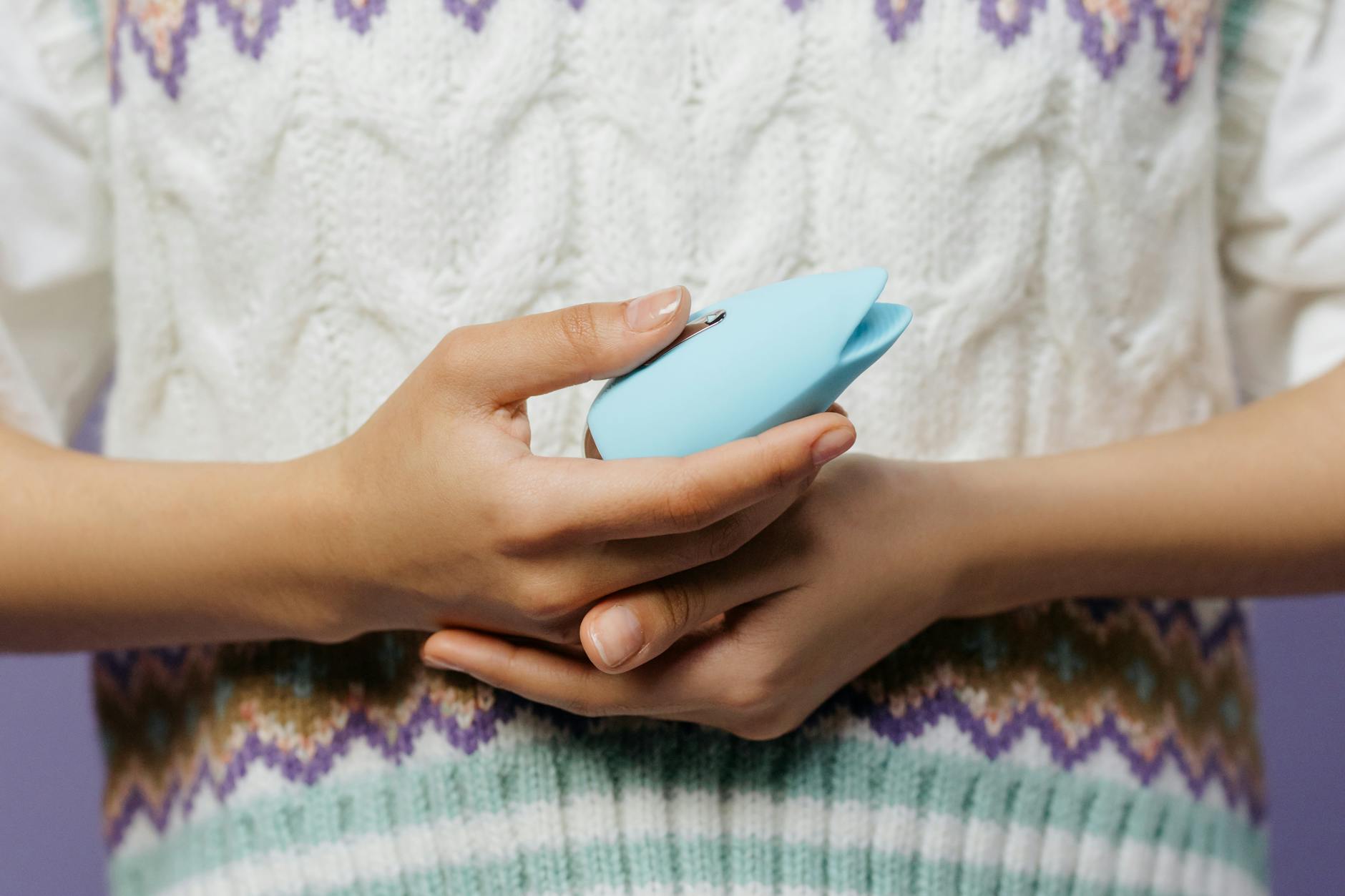
Lemon vibrators work differently than partnered touch because you control the timing, intensity, and sensation entirely. There's no negotiation with another nervous system. There's no guessing about pressure. You're not waiting for your partner to do something right. You're not bracing for something wrong.
This matters neurology, not psychology. When you use a lemon clitoral vibrator alone, your body learns that touch can be safe, predictable, and something you initiate. That's the opposite of how aversion developed. Over time, your nervous system recalibrates. Pleasure becomes possible again, without the hypervigilance.
Many of my clients find that solo pleasure with a lemon vibrator is the first time in years they've felt their own desire separate from their partner's presence. That separation is healing. It's not a substitute for partnered intimacy. It's the foundational work that makes partnered intimacy possible again.
A framework for rebuilding at your own pace
Week one: Get comfortable being alone with sensation.
Use your lemon vibrator solo, with no timeline. No goal of orgasm. Just 10 to 15 minutes of noticing what feels good without pressure. Your job is to practice staying present instead of dissociating. That's harder than it sounds. Your brain might try to leave your body. That's normal. Gently bring attention back to the sensation. This is nervous system retraining, and it takes time.
Week two: Introduce the idea of your partner knowing.
Tell your partner you're using a lemon clitoral vibrator for your own pleasure, on your own schedule. You don't need permission or approval, but you're offering information. This sentence matters: "I'm doing this for me, not instead of us." Some partners feel relieved. Some feel rejected initially. That's their work, not yours.
Week three: Add proximity without touch.
Once solo use feels natural, try using your lemon vibrator with your partner in the room, but not touching you. They might read. They might just sit with you. The goal is your nervous system learning that their presence doesn't automatically mean they'll touch you. You control what happens to your body, and they're respecting that.
Week four and beyond: Gradual partnered integration.
If and when you're ready, your partner might hold the lemon vibrator while you guide their hand. Or they might use it on you while you're giving explicit instructions about pace and pressure. The key word is "explicit." Not assumed. Not negotiated in the moment. Discussed beforehand. This removes the element of surprise that keeps aversion activated.
What happens in your nervous system during this process
When you use a lemon vibrator while your partner is nearby respecting your boundaries, you're creating new neural pathways. Your brain starts to associate your partner's presence with safety, autonomy, and pleasure. That's the opposite of the association that created aversion in the first place.
You're also building tolerance for sensation gradually. Aversion often includes a secondary layer where any physical sensation feels threatening. Reintroducing pleasure slowly, on your terms, helps your nervous system recognize the difference between touch that's safe and touch that's dangerous.
This isn't magic. It's nervous system rehabilitation, and it requires patience. Some people move through these phases in weeks. Others take months. There's no "normal" timeline.
Common setbacks and what they actually mean
You'll use your lemon vibrator and feel nothing. That's dissociation, not dysfunction. Your nervous system is still protecting you by checking out. Keep going. Consistency matters more than sensation.
Your partner will sometimes misinterpret solo pleasure as rejection. It isn't. It's the foundation for eventual reconnection. Having this conversation before you start using a lemon vibrator prevents a lot of hurt feelings.
Some days your body will feel more available. Some days it will feel locked down. That's normal. Don't interpret it as progress or failure. Bodies aren't linear.
You might get angry. At your partner, at your body, at the whole situation. Anger is often part of the healing process. It means your body is starting to assert its own needs again. Don't suppress it. Feel it.
When to bring in professional support
If your touch aversion is connected to past trauma or assault, a trauma-informed therapist is worth the investment. They can help you process what happened while you're rebuilding pleasure.
If your relationship has other unresolved conflicts, couples therapy helps more than individual work alone. Touch aversion is often a symptom of relational disconnection. You can't restore physical intimacy while emotional intimacy is broken.
If your partner is unwilling to respect the boundaries you're setting or is pressuring you to move faster than feels safe, that's a different problem. That's about your partner's willingness to support your healing. A therapist can help you figure out whether this is fixable or whether you're in a relationship that isn't safe for you.
The timeline for reconnection
Honestly? Rebuilding sexual connection after touch aversion takes three to six months of consistent, gentle work. Some people are ready for partnered touch sooner. Some take longer. The couples who move fastest aren't the ones who push hardest. They're the ones who commit to the gradual process without trying to skip steps.
Using a lemon clitoral vibrator isn't a shortcut. It's the actual work. It's you and your body learning that pleasure is possible again, and that you're in control. Everything else builds from there.
FAQ: rebuilding intimacy after touch aversion
Can I use a lemon vibrator if I have trauma-related touch aversion?
Yes, but go slowly and consider working with a trauma-informed therapist in parallel. A lemon vibrator gives you control, which is essential for trauma recovery. But trauma-related aversion sometimes comes with additional layers like flashbacks or body memories. A professional can help you distinguish between protective responses and healing progress.
What if my partner feels hurt that I don't want them to touch me right now?
That's their emotion to process, ideally with a therapist of their own. Your healing isn't their responsibility. You can be compassionate about their feelings without taking them on. A sentence that helps: "This is about my nervous system learning to feel safe again. It's not about you or my love for you." Repeat it as needed.
How long until I'm ready for partnered touch again?
There's no universal timeline. Some people feel ready for hand-holding in weeks. Some need months before sexual touch feels okay. The pressure to have a target date usually slows the process. Check in with yourself monthly instead. Does your body feel more available? That's progress.
Can I use a lemon vibrator while my partner is touching me in other ways?
Absolutely, once you've done the foundational solo work. Some couples find that one partner using a lemon clitoral vibrator while the other stimulates a different area creates pleasure without the intensity of direct partner contact. This can be a bridge back to more partnered intimacy.
What if I get angry during this process?
That's normal and necessary. Anger often means your body is reasserting agency. You've been shut down, and now you're waking up. Your partner might misinterpret anger as rejection. It's not. It's healing. Process it with a therapist if you can, so you don't direct it all at your partner.
Will I ever feel comfortable being touched by my partner again?
Most people do, yes. But comfort isn't the goal. The goal is autonomy. You want to feel able to choose touch rather than bracing for it. That's different. Some people rebuild to partnered intimacy. Others find they prefer solo pleasure or lower-touch connections. Both are valid outcomes.
Moving forward
Touch aversion is your nervous system's way of saying "I need to feel in control of my body again." A lemon clitoral vibrator gives you that control. It doesn't fix the relationship or erase the history that created the aversion. But it creates a starting point where pleasure is possible without negotiation, pressure, or fear.
Your nervous system learned to protect you. Now it needs to learn to trust again. That learning happens gradually, on your timeline, with tools like a lemon vibrator that put power back in your hands. Literally and figuratively.
If you're stuck or moving slower than you hoped, that's not failure. That's your body being honest about what it needs. Honor that. The rest will follow.