Here's the thing about orgasm difficulty in relationships
Your partner used to come easily. Now it takes forever, or doesn't happen at all. You're worried. They're frustrated. Sex starts to feel like work instead of connection, and suddenly nobody's enjoying it. This is wildly common, and it's not because something broke. It's because the context around pleasure shifted.
Orgasm isn't a solo event. It depends on arousal, relaxation, confidence, and the removal of distractions. When one of those changes, climax gets harder. The good news: a well-designed clitoral vibrator like those from Lemon Toy Shop can rebuild that pathway, reduce performance pressure, and actually make the experience feel easier and more connected for both of you.
Why orgasms stop coming easily (it's rarely what you think)
Most couples assume it's physical. Nope. Here's what usually happened:
Your partner's nervous system got busier. Work stress, family pressure, health stuff, relationship tension. None of that needs to be active drama. Just the background hum of life makes it harder for the brain to drop into pleasure mode. Additionally, over time, the same touch patterns become less novel. The nerve endings adapt. What used to build arousal now feels routine.
There's also the performance spiral. They notice orgasm is harder. Now they're thinking about whether it'll happen. Thinking about it makes relaxation impossible. Relaxation is the one thing orgasm actually requires. The harder they try, the further away it gets.
This is where external vibration changes everything. A lemon clitoral vibrator bypasses the need for them to "make it happen" through willpower. The stimulation is consistent, targeted, and gives their nervous system permission to let go.
The role of vibration in breaking the performance loop
When your partner is stressed about orgasm, adding the right toy isn't admitting defeat. It's removing the variable that was sabotaging them. A clitoral vibrator like the Lem provides steady stimulation that doesn't depend on their pelvic floor tension, your stamina, or perfect timing. It just works.
Research in sexual medicine shows that vibration helps people who struggle with orgasm in three specific ways:
First, it increases nerve activation. The clitoris has 8,000 nerve endings. Vibration stimulates them more efficiently than fingers or most other methods. This is especially true for people whose bodies have adapted to a single touch pattern over years.
Second, it removes the cognitive load. Instead of your partner focusing on whether they're close, they can focus on sensation, on you, on the moment. That mental shift is huge.
Third, it gives you both permission to slow down. Using a vibrator together actually extends foreplay because neither of you is rushing toward "the finish." You're both present in the process.
How to introduce this conversation without shame
Let's be honest: suggesting a toy can feel like criticism if it's not framed right. Your partner might hear "your body doesn't work" instead of "I want this to feel good and easy for you."
Don't lead with the problem. Lead with curiosity. "Hey, I was reading about how clitoral vibrators can make things feel more intense. Want to try one together?" or "I saw this tool designed to take pressure off both of us. Interested?"
Offer to use it on them, not have them use it on themselves. That's collaboration, not criticism. Make it about discovering something new together, not fixing something broken.
If they resist, don't push. Instead, ask what they're worried about. Usually it's one of three things: it'll feel weird, it'll hurt, or it means you're not enough. Address the actual concern, not the deflection.
Choosing the right lemon vibrator for this situation
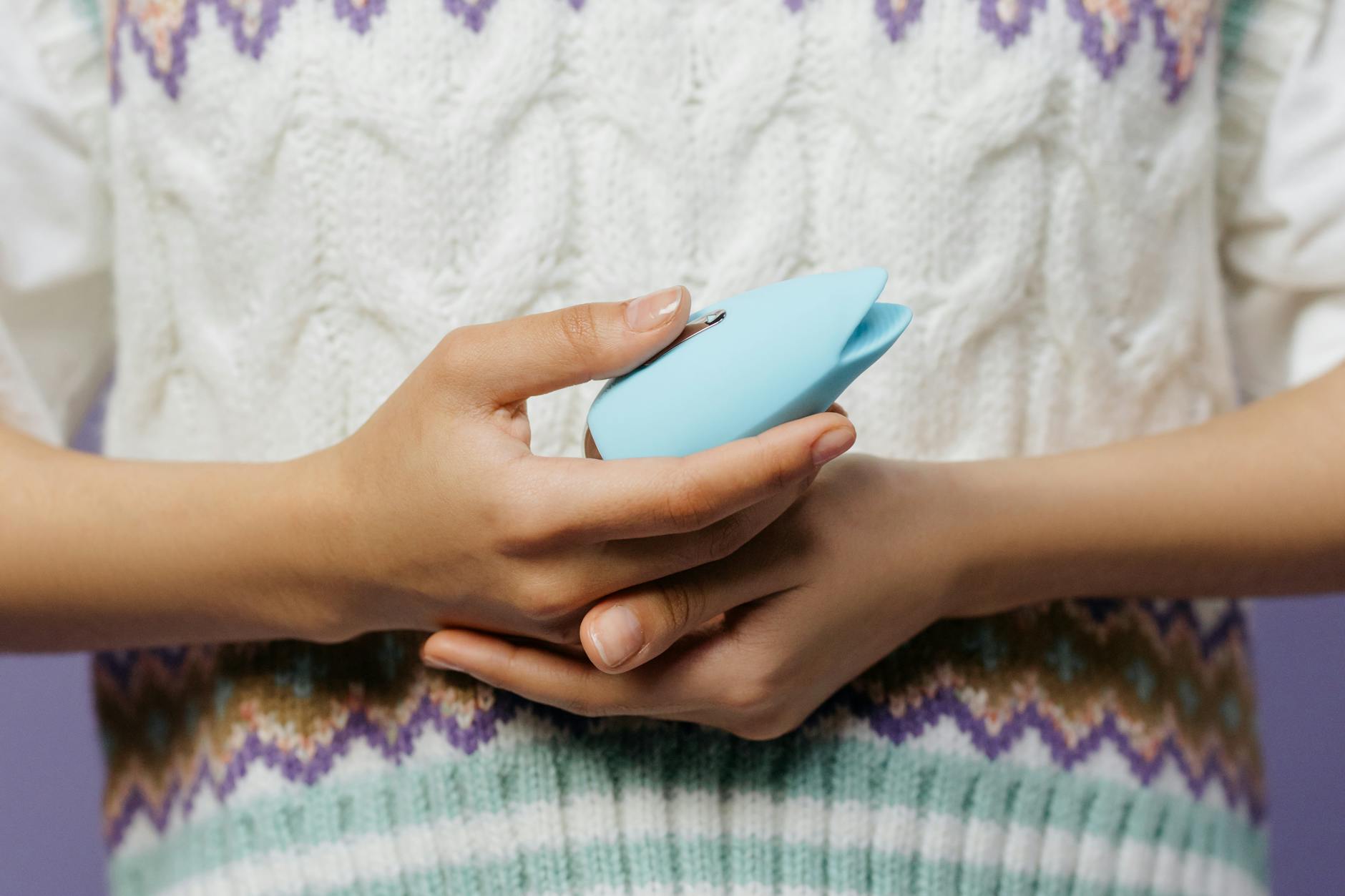
Not all vibrators work the same way. For a partner who struggles with orgasm, you want something designed for clitoral stimulation with multiple patterns. The Lem vibrator is built exactly for this: it's a clitoral sucker that uses gentle suction instead of traditional vibration, which many people find more targeted and easier to orgasm from.
Start with a lower intensity setting. The goal isn't maximum sensation. It's consistent sensation that allows their nervous system to relax. Many people who struggle with orgasm have actually become less sensitive to touch because they're carrying tension. A medium intensity often works better than high.
Timing matters too. Don't jump straight to penetration. Spend 10-15 minutes with the vibrator alone. Let their body remember what arousal feels like without the pressure of your presence.
The position and rhythm that works best
When using a lemon clitoral vibrator together, lying side-by-side usually beats other positions. It's intimate without being performative. Your partner can relax fully without feeling watched. You can touch them elsewhere, be close, create connection.
Start with the vibrator on the lowest setting and let them guide the rhythm. Don't change the pattern every 30 seconds. Consistency is what builds toward climax. If something feels good, keep doing it for at least a few minutes before switching.
Many people find that they come faster if you're also touching them elsewhere. Kissing their neck, holding their hand, stroking their arm. The vibrator isn't replacing intimacy. It's creating space for intimacy to actually work.
Managing expectations during the rebuild
First time using a toy together might not result in orgasm. That's fine. The goal isn't one successful climax. It's rebuilding the neural pathway so orgasm becomes easy again. This takes a few sessions, not one.
Celebrate the small wins. They felt more aroused than last time. That's progress. They relaxed enough to let go of thinking. That's huge. Orgasm will follow.
Also be real: some nights it still won't happen. That's life. The difference is that now it's not about failure. It's about presence. "We didn't finish, but I loved being with you" becomes the default instead of disappointment.
When to pause and seek different support
If your partner has always struggled with orgasm, or if it disappeared suddenly alongside other symptoms like depression or loss of interest in things they usually enjoy, a healthcare provider matters here. Sometimes orgasm difficulty points to hormonal shifts, medication side effects, or something that needs clinical attention.
A certified sex therapist or a doctor trained in sexual medicine can rule out the stuff that's beyond what a toy can fix. Then you'll know the vibrator is genuinely the right move, not a band-aid on something deeper.
The confidence rebuild actually starts with you
Your partner's confidence in their body and their pleasure is partly yours to rebuild. When you approach a vibrator with curiosity instead of frustration, when you frame it as something fun to explore together, when you stay relaxed and patient through the rebuild, they feel that.
Sex that used to feel effortless now requires a tiny bit more intentionality. That's not bad. It's actually an opportunity to reconnect. Couples who use this moment to slow down and tune in often report that sex becomes better overall, not just easier.
People also ask
Will using a vibrator make my partner dependent on it?
No. In fact, the opposite usually happens. Once someone remembers what orgasm feels like, their nervous system relearns the pathway. Over time, many people find they need less stimulation, not more. The vibrator is a reset button, not a crutch.
How often should we be using a lemon clitoral vibrator?
Start with once or twice a week while rebuilding. As things get easier, you might use it once a week or less frequently. The goal is to restore confidence, not create a new routine dependency. Listen to what feels right for both of you.
What if the vibrator feels too intense?
Start at the lowest setting and stay there for at least a few sessions. Some people's nerve endings are overly sensitive when they're stressed or anxious. Lower intensity gives the system time to acclimate without overwhelm. You can always turn it up later.
Can we use a vibrator if my partner has trauma around touch?
Maybe, but carefully. A vibrator creates less pressure than fingers or a partner's body, which some people find easier. But if penetration or clitoral touch itself is triggering, the toy isn't the first step. A trauma-informed therapist would be. Some people find that after healing work, a vibrator becomes a tool for reclaiming pleasure.
How long does it usually take to see improvement?
Most couples notice a shift within 2-4 sessions. The nervous system starts to remember. By week 3-4, you'll likely see real change in how quickly and easily orgasm happens. If there's no shift after 6-8 weeks, that's a signal to check in with a healthcare provider.
Should I use the vibrator on my partner or should they use it on themselves?
Start with you using it on them. It's more collaborative and removes the performance pressure of them having to "do it right." Once they're comfortable and orgasm is returning, you can explore them using it alone or together. Let it evolve naturally.
The bigger picture
When your partner's orgasms become harder to reach, it's a moment to pause and actually tune in instead of pushing harder. A clitoral vibrator from Lemon Toy Shop creates space for that tuning in. It takes pressure off both of you and makes pleasure feel collaborative again.
The rebuild is real. It takes a few weeks. But it also often becomes a turning point where sex feels more intentional, more connected, and honestly more satisfying than it was in the "easy" days. Your partner's pleasure matters. Showing up with patience and the right tools proves it.
If you're not sure where to start, reach out to us. We can help you figure out which lemon vibrator or clitoral vibrator is right for your situation. You're not the first couple navigating this, and you won't be the last.