The silence that costs you both
You want to introduce lemon vibrators into your intimate life. Your partner hasn't said no. They've just never said yes, because you've never asked. The conversation sits in the space between you like a third person nobody acknowledges. And the longer you wait, the bigger it feels.
Here's what I've learned from couples therapy: the avoidance isn't usually about the vibrator itself. It's about the belief that talking about pleasure means something went wrong. That admitting you want more is a criticism of what you already have. So nothing gets said, and nothing changes.
Why partners avoid the pleasure conversation
When I work with couples who struggle to talk about desire or toys, three patterns emerge consistently.
First, generational shame. Many of us grew up in families where pleasure was private, embarrassing, or something you didn't talk about with a partner. That silence feels safe because it's familiar. Bringing it up risks looking greedy, broken, or unfaithful.
Second, fear of rejection. If you name what you want and your partner says no, that no feels permanent. Better to not ask than to hear an actual refusal. This logic makes sense to the part of your brain that protects you from hurt. It's also wrong, but it feels right.
Third, learned patterns from past relationships. If an ex reacted poorly to any conversation about sex, you learn to stop trying. That wound often carries into the next relationship, even when your current partner has never given you reason to expect the same response.
None of these are character flaws. They're just how humans protect themselves. But they're also why good partnerships stay stuck.
The setup: why now, not later
The best time to open this conversation is when you're both calm, clothed, and not in the bedroom. This means a quiet evening at home, a walk, a car ride. Somewhere neutral where talking about pleasure doesn't feel like a setup for immediate sex.
Avoid timing that signals pressure. Not right before bed. Not in the morning when someone's rushing out the door. Not during or after an argument about other things. You want their attention, not their defensiveness.
Start by naming the avoidance itself. "Hey, I've noticed we don't really talk about what we like in bed, and I want to change that" is honest and direct. It's not accusatory. It's an observation about the system you're both in, not a critique of them.
The opening line that actually works
Don't lead with the lemon vibrator. Lead with you.
"I've been thinking about our sex life, and I want us to have more fun together. I don't think anything's wrong. I just think there's room to explore things that might feel even better for both of us. Can we talk about that?"
Notice what's happening here. You're naming desire as mutual ("both of us"), not selfish. You're framing it as addition, not criticism. You're asking permission to have the conversation, which signals respect.
If your partner says they'd rather not talk about it, don't push. Instead: "I get that this might feel awkward. I'm a little nervous too. But it matters to me, so I'd like to come back to it when you're ready."
Then let it breathe. Sometimes people need time to move from "absolutely not" to "okay, maybe we can talk."
Moving from conversation to introduction
Once your partner agrees to talk, the goal isn't to convince them that lemon vibrators are amazing. It's to understand what they're actually worried about.
Ask directly: "What comes up for you when you think about using a toy together?" Listen without defending. They might say it makes them feel inadequate. That they're worried about dependence. That they think it's weird. That they tried one before and it didn't work.
Each answer is real information, not a problem to solve in that moment. Your job is to hear it and then address the actual concern, not the surface words.
"It makes me feel like I'm not enough" is often "I'm afraid you'll like this more than you like me." That's different from actually being concerned about the toy.
Respond to the real fear. "That's not how this works for me. I want this because I want to feel good with you. That makes you more important to me, not less."
Share why lemon vibrators specifically appeal to you. Are you interested in the clitoral vibration and how it feels different from hands or a partner's mouth? Do you like the idea of exploring together without pressure? Do you want stronger orgasms? Be specific and unsexy about it.
The sexiest part of this conversation isn't the words. It's the honesty.
The practical introduction
Don't ambush your partner with a lemon vibrator on the nightstand.
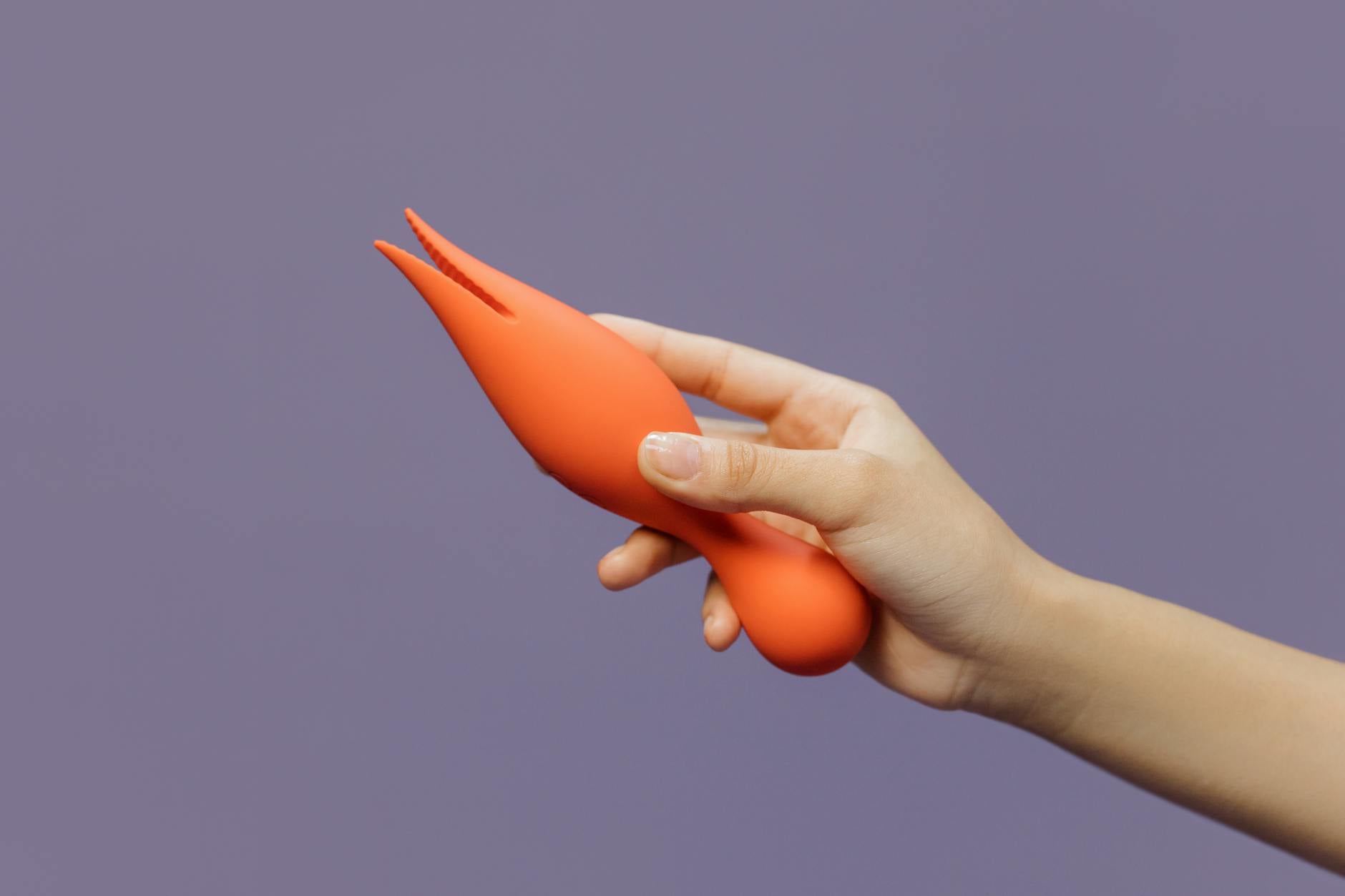
Instead, show it to them fully clothed in a neutral setting. "I ordered this. I'd like to try it with you, but I want to know how you feel first." Hand it over. Let them hold it. No pressure for an immediate yes.
Some partners will want to research it together. Show them the Lemon Toy Shop website. Read reviews out loud. Make it normal and boring, the way you'd talk about a new kitchen gadget.
Other partners will need longer. That's fine. "I'm not pushing you. Just letting you know this is here when you're curious."
If they're still resistant after a genuine conversation, you have a choice point. You can:
- Use a lemon vibrator solo, and they can take it or leave it.
- Suggest couple's therapy to work on the communication itself (which is often the real issue).
- Accept that this particular exploration isn't going to happen in this relationship.
What you don't do is suffer in silence or resent them for not reading your mind.
When resistance persists
If your partner continues to shut down after you've had an honest conversation, the problem usually isn't the toy. It's something deeper about how you two handle vulnerability, desire, or change.
That's when a couple's therapist becomes the most useful tool. Not to pressure your partner into accepting a lemon vibrator, but to understand why the conversation itself feels dangerous. Sometimes that resistance points to a larger pattern of emotional avoidance that affects other parts of the relationship too.
I've worked with couples where the vibrator conversation opened a door to talking about money, attraction, exhaustion, and resentment that had been sitting unspoken for years. The toy wasn't the point. It was the key.
Using lemon vibrators once the gate opens
When your partner finally agrees, start small. Show them the settings. Let them touch it, watch it work. Involve them in choosing the moment, the setting, what happens first.
Many partners feel more comfortable introducing a lemon vibrator during partnered sex rather than solo play first. You might use it on yourself while they're inside you, or ask them to hold it while you guide their hand. This keeps the focus on togetherness, not on you doing something separate.
Start at lower intensities. The clitoral vibrators from Lemon Toy Shop offer several patterns, so experiment. Some partners worry that vibrators are "too much" or that they'll make you unable to orgasm from other types of stimulation. This is rarely true, but the worry is real, so addressing it early matters.
"I'll still love sex with just you. I want this as an addition, not a replacement."
Mean it. And show it by continuing to prioritize non-toy intimacy too.
The ripple effect of this conversation
Honestly, the lemon vibrator is often the smaller point. What changes is the permission you both give yourselves to talk about desire without shame.
Once you've said "I want to explore pleasure together" and your partner has heard it without the world ending, you've created something valuable. A baseline that desire is okay. That vulnerability doesn't destroy the relationship. That you can want something and ask for it and still be loved.
That's the conversation that ripples outward. Into other aspects of intimacy, other conversations you've been avoiding, other ways you show up for each other.
The lemon vibrator is just the proof that it works.
Frequently asked questions
How do I bring it up if we've never talked about sex at all?
Start simpler. "I'd like us to feel closer and have more fun together. Can we talk about what that looks like?" You don't have to mention toys right away. Sometimes talking about desire in general comes first, and the vibrator conversation follows naturally.
What if my partner thinks toys mean our relationship is failing?
Address this directly. "Using a toy doesn't mean anything's wrong. It means I want to explore something that might feel good. People I trust with other parts of my life use toys. It's pretty normal." If they need evidence, suggest they read articles from reputable sources. Sometimes hearing it from someone other than you lands differently.
Can I use a lemon vibrator solo if my partner refuses?
Absolutely. Your pleasure is yours to pursue independently of your partner's comfort level. But be aware that using toys secretly, when you've had a conversation where your partner said no, often damages trust. Transparency is better than secrecy, even when it's uncomfortable.
What if they say yes but never want to use it again after the first time?
That's data. They tried it, it wasn't for them. That doesn't mean the conversation failed. You learned something. Some people prefer other forms of stimulation. That's okay. The win is that you asked and found out, rather than avoiding forever.
How long does it usually take for partners to warm up to toys?
It depends entirely on their baseline comfort with talking about sex. Some partners say yes immediately. Others need months of small conversations before they're ready. Patience and consistency matter more than speed here.
What if they're worried about performance or adequacy?
This is the most common concern, and it deserves genuine reassurance. "I want this because I want to feel amazing. That doesn't reflect anything about you. It's about what my body enjoys. And I want to experience it with you, which makes it about us both." Then show, through your actions and attention, that you still desire them.
The conversation is the bridge
Introducing lemon vibrators when your partner avoids talking about pleasure isn't really about the toy. It's about building a relationship where both of you can ask for what you want and be heard.
That takes courage from both sides. It takes willingness to be uncomfortable. It takes believing that desire is good, not shameful.
But once you've had that conversation and survived it, you've changed something in how you move through the relationship. You've proven that vulnerability doesn't destroy. That desire is something you can name out loud.
If you'd like help navigating other relationship challenges or communication patterns, our team is here. Reach out anytime at contact.