Let's start with what changed
You used to get there in five minutes. Now it's twenty. Or thirty. Or it feels like it might not happen at all. That shift is real, and it's not a personal failure. It's your body signaling that something in the system has moved, and the old shortcuts don't work anymore.
Here's what I see clinically: most people assume slow arousal means low desire. They're different things. You might want sex badly and still need twice as long to feel it in your body. That gap is where most couples get stuck.
Why arousal gets slower
Three major culprits show up again and again in my practice.
Stress and nervous system load. Your brain needs quiet to build arousal. When you're managing work email, kid schedules, aging parents, or relationship tension in the background, your nervous system stays partly in threat mode. Even if you consciously want sex, your body hasn't gotten the signal that it's safe to drop into pleasure. This is the most common reason arousal slows after 35.
Hormonal shifts. Whether it's perimenopause, birth control changes, or just the baseline testosterone dip that happens in your 40s, less circulating sex hormone means arousal genuinely takes longer biochemically. Your tissues also respond more slowly to stimulation because there's less blood flow to the genitals at baseline.
Relational friction. If you and your partner have been out of sync, resentful, or distracted by life, arousal doesn't just switch back on when you decide to have sex. Your body remembers the disconnection. Slow arousal here is actually your nervous system being realistic about safety and trust. That's not broken either. It's intelligent.
What lemon vibrators actually change
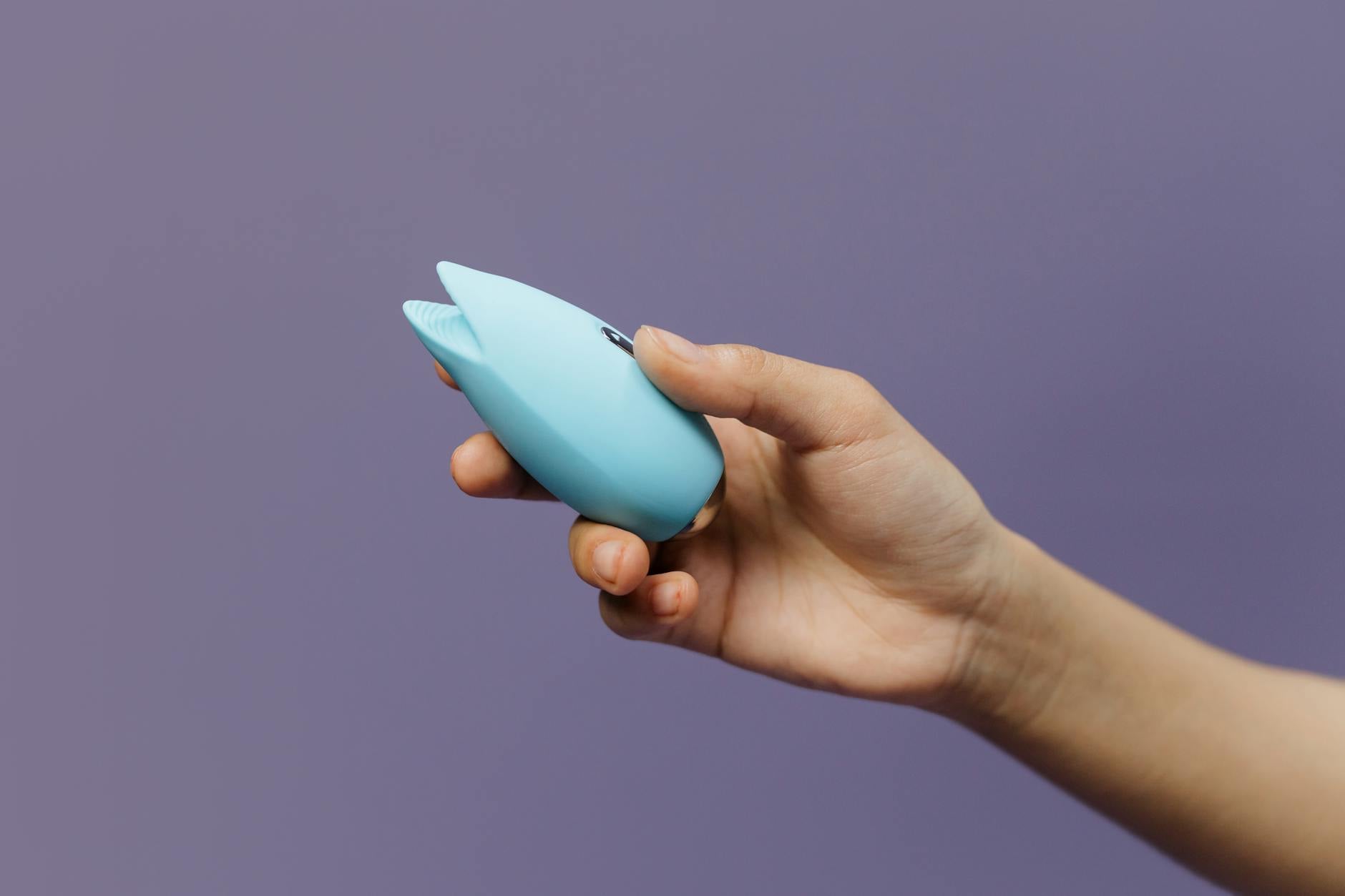
A good clitoral vibrator like the Lem doesn't speed up arousal by magic. It bypasses the waiting period by delivering direct, consistent stimulation that your body can reliably respond to, even when your nervous system is only halfway there.
Here's the mechanism: air-suction devices work differently than traditional vibrators. Instead of friction against delicate tissue, they create gentle suction that stimulates the whole clitoral network. That means you get sensation from the first second, which gives your arousal something concrete to build on.
When arousal is slow, the mental piece gets heavy. You start thinking about whether it's going to work, when you should give up, whether something's wrong with you. That thinking is the real brake. A lemon clitoral vibrator collapses that wait time and gives your brain permission to focus on sensation instead of outcome.
The strategic timing piece
Most people use toys at the end of foreplay, right before they need an orgasm. If arousal takes you longer, that's backwards. Start earlier.
I tell couples this: begin with the vibrator at pattern 1 or 2, during the part where you might normally just be kissing or touching. Let your body register sensation while you're still in the comfort phase of sex. You're building arousal gradually but steadily, so by the time you want to finish, you're already halfway there instead of starting from zero.
This works whether you're alone or with a partner. Solo, you can spend 10 minutes on low patterns while you're mentally transitioning into the moment. With a partner, they can use it on you while you're still talking, laughing, reconnecting. The physicality primes the system without the pressure of "now we have to get you there."
Lube and tissue care matter more now
When arousal takes longer, your natural lubrication doesn't show up as quickly either. This isn't a sign to push harder. It's a sign to add water-based lube from the start.
You might notice that direct clitoral touch feels sharper or less pleasurable than it used to. Slower arousal often comes with less blood engorgement in the clitoris, which means thinner tissue and less natural cushioning. Lube solves that. Use it from the first touch, not as a last resort. Your tissues will thank you, and sensation will feel warmer and rounder instead of sharp.
If you're using a lemon clitoral vibrator, silicone-based lubes will degrade the toy, so stick with water-based always. Keep the bottle near your bed so there's no friction break while you're building momentum.
Partner communication is the real shortcut
Here's where most people miss the actual fix. If arousal takes longer now, your partner needs to know this is structural, not emotional. "I'm just slower now" is different than "I'm not interested" or "you're not turning me on." The first is information about timing. The second two are about desire or attraction.
When I work with couples on this, I ask them to separate the conversation into three parts:
One: acknowledge the shift is real. Not your fault. Not their fault. Just factual.
Two: agree that slower arousal isn't a failure state. Some of the most intense orgasms come from long, building arousal. You're not broken.
Three: plan differently. This might mean starting sex earlier in the evening when you're less tired. It might mean touch without goal for 20 minutes before anything sexual. It might mean using a lemon vibrator from the beginning, not as a rescue plan.
Partners often feel rejected when sex takes longer because they unconsciously interpret slowness as reluctance. Naming the actual timeline takes that sting off.
When to check deeper
If arousal got slower suddenly, over weeks not years, something else might be going on. New medications, depression, or relationship rupture can all slow arousal rapidly. That's worth talking through with a doctor or therapist, not just accepting as your new normal.
But if it's been gradual, if you still want sex once you're in it, and if the slowness correlates with age or life stress, you're probably looking at the normal version of this. The tooling just changes.
A lemon clitoral vibrator handles that shift. So does patience. So does letting go of the five-minute timeline and discovering what feels good at a slower pace. Some of the richest sexual experiences happen when you're not rushing.
People also ask
How long should arousal take normally?
There's no single normal. Most research says 10-20 minutes for vulva owners, but that's an average built from people with wildly different baselines. Some people get there in three minutes. Others need 45. Both are fine. What matters is that you and your partner agree on the timeline so nobody's surprised or feels rejected. If you've shifted from five minutes to twenty-five and that matches your current life stress or age, that's normal. If arousal disappeared overnight, that's worth investigating with a doctor.
Do lemon vibrators work if I've never had an orgasm from a vibrator before?
Yes. Lemon vibrators use suction instead of vibration, which feels genuinely different. Many people who found regular vibrators too intense or didn't respond to them find air-suction toys like the Lem actually work. Start at the lowest pattern and take your time. You might need 20 minutes of exploration to figure out what works. That's normal and fine. Your body isn't broken if it takes time to learn how to respond to a new sensation.
Should I use a vibrator solo first or with a partner?
Whichever feels safer. Some people want to learn their own body first without an audience. Others find that solo exploration is boring and partner play is what makes it work. There's no rule. If arousal takes you longer generally, solo exploration might be useful because you can spend 45 minutes with no goal or timeline pressure, just learning what speeds things up. That intel helps with partner sex too.
What if my partner is impatient while I'm building arousal?
That's a conversation about patience, not about your body being broken. If your partner is frustrated that sex takes longer now, that's something to address directly. You might say: "I'm slower now. That's not changing. I need you to decide if you can be okay with longer foreplay or if this is a real incompatibility." Some partners can make that shift. Some can't. Either way, you deserve a partner who doesn't make you feel rushed during sex. Using a lemon vibrator doesn't fix a partner who's fundamentally impatient, but it does take some of the pressure off you to perform faster.
Does arousal ever speed back up, or is this permanent?
It depends on what caused the slowdown. If it's stress, reducing stress helps. If it's hormonal, hormone therapy might shift it, though not everyone wants or needs that. If it's relational, rebuilding connection helps. If it's just aging, arousal might stay slower but often becomes richer. The speed matters less than the quality. Long, slow arousal often produces more intense orgasms than fast ones. Your job isn't to get back to five minutes. It's to build a sex life that works with how your body operates now.
Can I use a lemon vibrator during partnered sex if arousal is slow for me?
Completely. In fact, it's often the best move. You can use it on yourself while your partner touches you elsewhere, or they can hold it while you focus on sensation. Starting slow arousal with a vibrator in the mix means you're building sensation from minute one instead of waiting 20 minutes to feel anything. This actually helps your partner feel less burdened because the outcome isn't entirely dependent on their touch.
The shift forward
Slower arousal isn't a countdown timer you're failing. It's information about what your body and nervous system need right now. More time. Less pressure. Different tools. How to Use Lemon Vibrators When Stress and Anxiety Kill Your Arousal goes deeper into the nervous system piece if you want to understand that angle better.
The gift in this shift is permission to slow down. Most of us spend our sexual lives in a rush. Now you have a legitimate reason to take 30 minutes. To let arousal build gradually. To discover that slower isn't worse. It's just different. And often, it's actually better.