When conflict freezes desire cold
Honestly though. After a big fight or weeks of tension with your partner, arousal doesn't just dip. It vanishes. Your body locks up. The thought of touch feels wrong even when intellectually you know the conflict has passed.
This isn't a character flaw. It's your nervous system doing exactly what it's supposed to do. When you're in conflict with someone, your brain categorizes them as a potential threat. Arousal requires the opposite state. You can't be flooded with cortisol and simultaneously open to pleasure. Your body won't let you.
The gap between "we resolved the argument" and "I actually want you" can stretch for weeks. Or longer. And here's the part nobody talks about: the longer that gap persists, the more real the distance becomes. Desire doesn't just reappear because you've apologized.
Why arousal disappears during and after conflict
Your arousal system lives in the parasympathetic nervous system. That's the rest-and-digest part of your brain. Conflict activates the sympathetic system instead. Fight-or-flight. These two systems can't run simultaneously. When your partner says something hurtful, or when you're bracing for the next criticism, your body isn't producing the neurochemicals needed for arousal. Oxytocin drops. Dopamine flattens. Your clitoris loses the blood flow that makes sensation feel good.
So after the argument ends, your brain doesn't automatically flip back on. You're waiting for proof it's safe. And even when you decide intellectually that it is safe, your body is still in the process of downregulating. That takes time. Neurologically speaking, it's not laziness or lack of love. It's physiology.
What makes this harder: your partner often interprets the absence of desire as rejection. "You don't want me anymore." What you're actually experiencing is "My nervous system doesn't believe touch is safe yet." Those are completely different problems.
The bridge back into your own arousal
Here's what I tell clients: rebuilding desire after conflict is a solo project first, partnership project second.
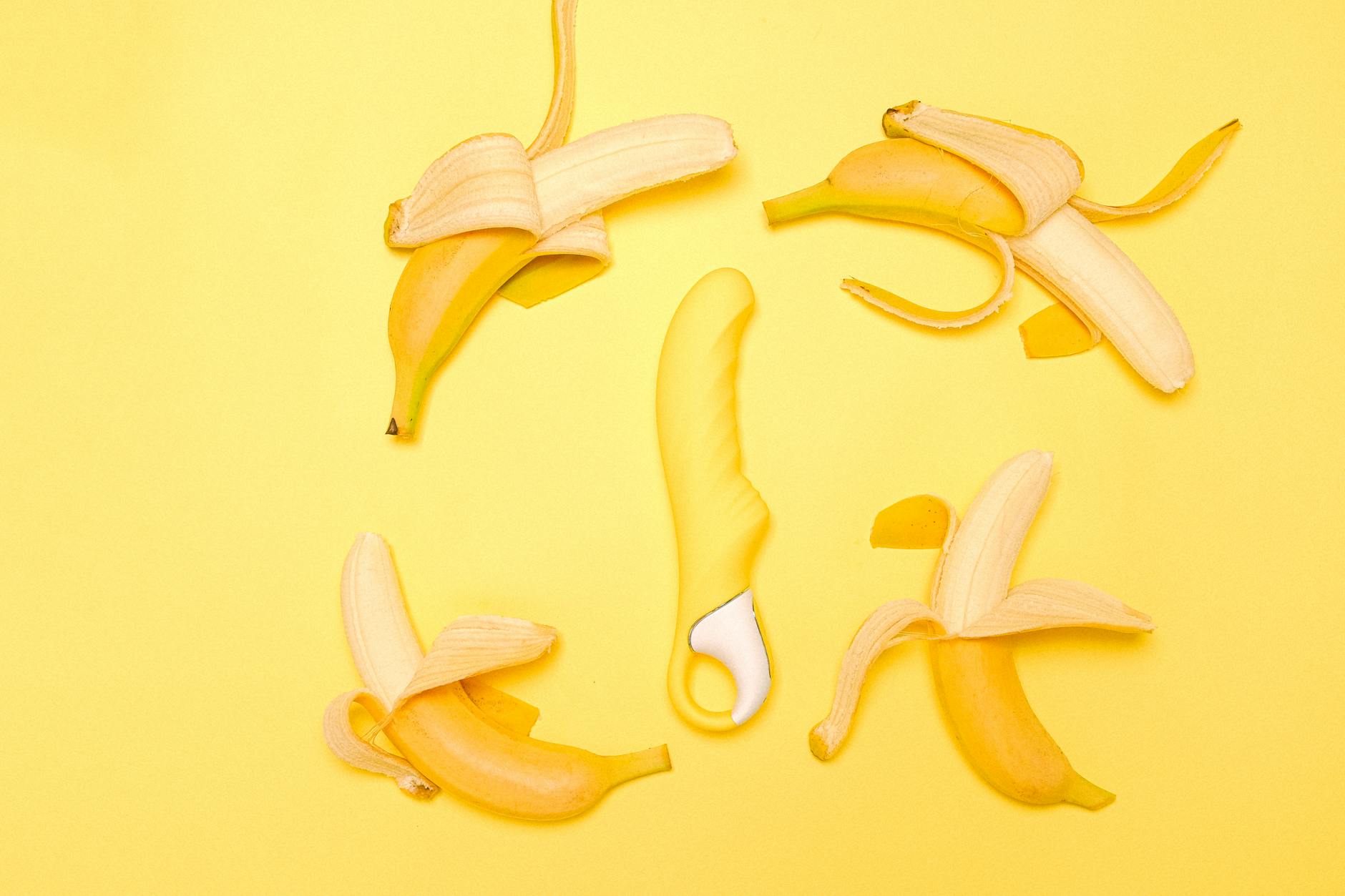
Your nervous system needs to remember that pleasure exists. That your body is still capable. That you're allowed to feel good even though things have been rough. This is where a clitoral vibrator like the Lem becomes genuinely useful. Not as a replacement for connection with your partner, but as a way of reconnecting with yourself.
When you use a vibrator alone after conflict, you're doing several things at once. You're giving your nervous system permission to downshift. You're triggering dopamine release without the vulnerability of asking someone else to create it. You're proving to your body that pleasure is still available. And you're creating new neural pathways that aren't tied to the person you fought with.
That last part matters more than it sounds. When you've been avoiding sex because of conflict, your brain can start linking sex itself with the memory of tension. Solo exploration with a vibrator breaks that link. It says: this pleasure is separate from that pain.
How to use a lemon clitoral vibrator to rebuild safety
Start with vibration patterns, not intensity. Most Lemon Toy Shop vibrators have multiple patterns. Rhythm often feels safer to your nervous system than pure power. Your body recognizes rhythm as predictable. Predictability signals safety.
Begin at pattern one or two. Spend time just noticing sensation without the goal of coming. Seriously. This isn't about achieving orgasm. It's about your nervous system learning that stimulation doesn't have to lead anywhere. You can start it. You can stop it. You have complete control. This is especially important after conflict because part of your nervous system is hypervigilant. It's waiting for something to go wrong. Solo vibrator use proves that nothing will.
Budget 15 to 20 minutes. Not because you need that long to come, but because rushing signals to your body that this is another task to complete, not a form of rest. Use water-based lubricant even if you're naturally wet. The extra glide signals to your nervous system that you're taking care of yourself. And honestly, it just feels better.
When and how to involve your partner again
Don't. Not yet. Let yourself have solo experiences first. At least two or three times. Let your body believe it's safe to feel good.
Once you've rebuilt some connection to your own arousal, the next step is softness with your partner. Not sex. Softness. Touching without expectation. Taking a bath together. Holding each other without it leading anywhere. This is called non-demand affection and it's one of the most powerful tools in relationship repair because it rebuilds safety without the pressure of performance.
Only after your nervous system has learned that your partner's touch doesn't equal conflict should you bring a vibrator into partnered sex. When you do, it changes the dynamic. You're not asking your partner to do something. You're inviting them into something you're already doing. You're saying: "I'm choosing pleasure and I want you here." That's a fundamentally different conversation than "I don't want just you."
The clitoral vibrator as nervous system reset
Lemon clitoral vibrators work in ways that penetration doesn't because the clitoris is 90 percent external and deeply wired for pleasure. It has no reproductive function. It exists purely to feel good. When everything else in your relationship is complicated, the clitoris is simple. It knows what it likes. It responds reliably.
This reliability is psychologically important after conflict. Your relationship might feel uncertain right now. Your partner might be in a mood. The future is unclear. But a vibrator? It does the same thing every time you turn it on. It's predictable in the best way. That predictability gives your nervous system permission to relax.
Timelines are personal but necessary
There's no hard rule for how long this takes. I've worked with couples who reconnected sexually within two weeks of conflict, and others where it took three months. The difference wasn't the severity of the fight. It was how willing each person was to do their own nervous system work beforehand.
If you're using a vibrator solo while your relationship is still tense, you might feel guilty. That's normal and worth questioning. Using pleasure to heal yourself isn't selfish. It's actually the fastest route back to shared pleasure. A partner who's anxious about when you'll want them again is more likely to relax if they see you already rebuilding a healthy relationship with your own desire. It signals: "I'm working on this. I haven't given up." That's powerful reassurance.
What to do if desire doesn't return
If weeks have passed and arousal still feels completely absent, it might be worth asking whether the conflict itself has resolved or whether you're still managing its aftermath. Sometimes what looks like dead desire is actually unfinished emotional work. A conversation left incomplete. A hurt that hasn't been explicitly acknowledged.
In that case, the vibrator is less useful than an honest conversation or possibly couples therapy. I say that as someone who deeply believes vibrators matter. But they're tools for rebuilding desire in a relationship that's fundamentally sound. If the relationship itself is broken, the vibrator can't fix it.
When your partner feels left out
If you're using a Lemon vibrator solo and your partner feels excluded, that's worth addressing directly. "I'm rebuilding my own arousal right now because that's where I am. This isn't about you. When I'm ready, I want you involved." Then follow through. Let them watch. Let them help if you want them to. Make it a process of reconnection rather than a solo thing they're observing from outside.
Desire after conflict is rarely automatic. But it's always recoverable if both people are willing to do the work.
The work looks like: individual nervous system regulation, non-demand affection, explicit reassurance, and patience with your own body. Lemon clitoral vibrators are one tool in that toolkit. Not the whole toolkit, but a genuinely useful one.
People also ask
How long does it take for desire to return after relationship conflict?
There's no universal timeline. Most couples see some improvement within two to three weeks if they're actively reconnecting. Deeper desire often takes longer. The key is consistency and non-demand affection. If weeks have passed with no improvement, it's usually a sign that the underlying conflict hasn't been fully resolved or that one person is still managing resentment.
Can using a vibrator alone after a fight damage your relationship?
No, if your partner knows what you're doing and understands why. Secrecy damages relationships. Healing damages them too. What's happening is you're rebuilding your own nervous system health, which ultimately makes you a better partner. The problem arises when your partner feels excluded or threatened. That's a conversation to have before or after, depending on your relationship dynamic.
Why does conflict kill arousal so instantly?
Conflict triggers cortisol and adrenaline, which suppress the neurochemicals needed for arousal like dopamine and oxytocin. Your nervous system is in protection mode. Arousal requires the opposite state. Your body literally cannot be flooded with stress hormones and genuinely aroused at the same time. It's not a choice or a lack of effort. It's physiology.
Should I use a vibrator before or after I reconnect with my partner?
Use it alone first. Let your body remember that pleasure is possible. Then rebuild non-sexual physical affection with your partner. Then, once you're feeling safe together again, bring the vibrator into shared space if you want. This progression helps your nervous system categorize solo pleasure and partnered pleasure as separate things, both safe.
What if my partner resists me using a vibrator alone?
That's worth examining. If your partner feels threatened by your solo pleasure, it usually points to deeper insecurity about the relationship itself. A healthy partner wants you to feel good, even without them. If your partner's need to control your pleasure is part of the pattern that caused the original conflict, that's a couples therapy issue, not a vibrator issue.
How do I know when I'm ready to have sex again after a big fight?
You'll feel it in your body. Not as a thought but as a sensation. You'll notice your partner walking by and feel a small spark instead of a knot in your stomach. You'll be able to think about touch without your nervous system bracing. You'll want them again, not just decide that you should. That wanting matters. Don't rush it.
Sources
Bessel van der Kolk. (2014). The Body Keeps the Score: Brain, Mind, and Body in the Healing of Trauma. Viking. Foundational research on how the nervous system processes threat and safety.
John Gottman & Nan Silver. (2015). The Seven Principles for Making Marriage Work. Crown Publishers. Clinical framework for understanding conflict patterns and reconnection strategies.
Emily Nagoski. (2015). Come as You Are: The Surprising New Science That Will Transform Your Sex Life. Simon & Schuster. Evidence-based research on arousal, the dual control model, and how nervous system state affects sexual response.