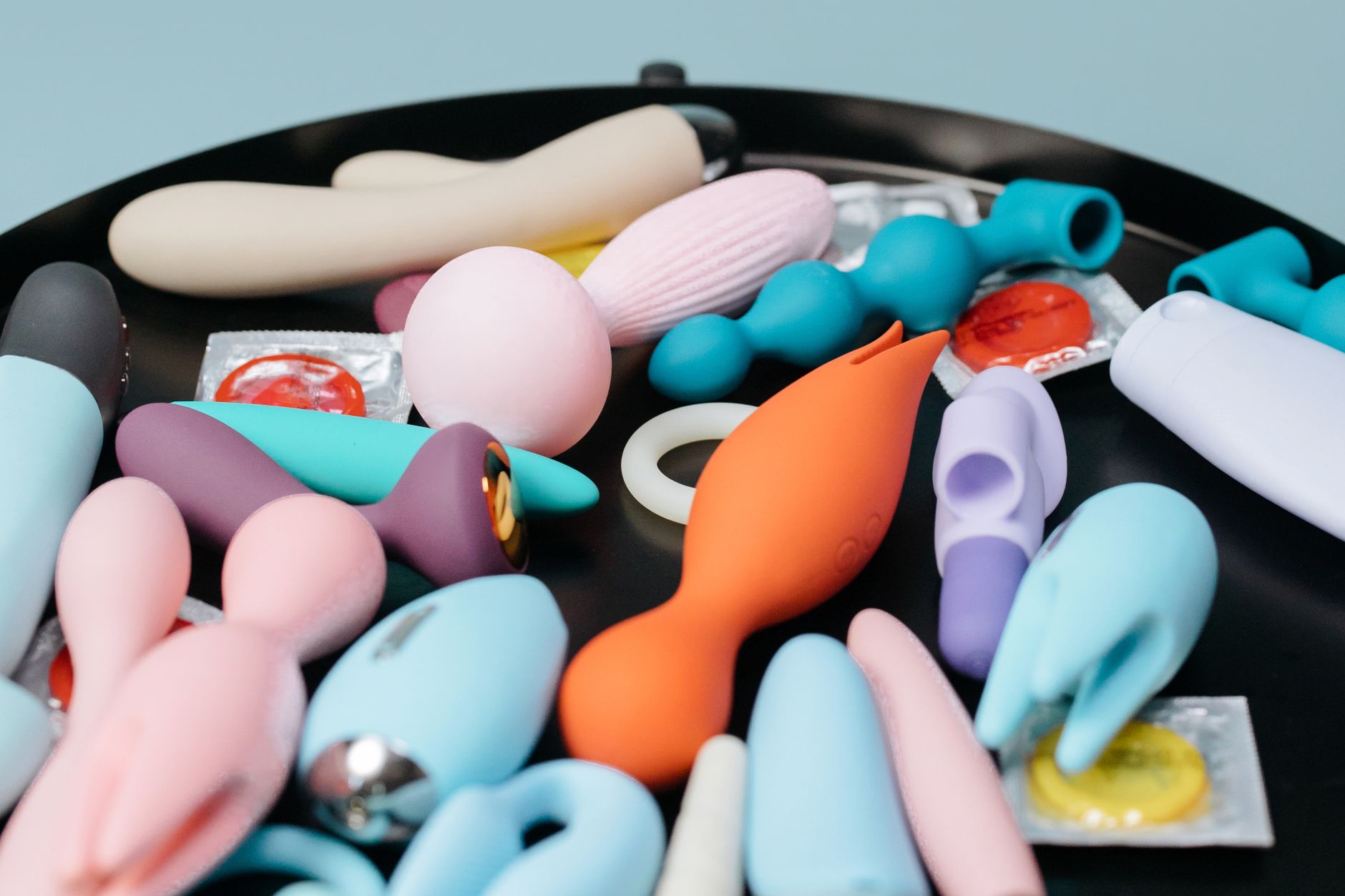
Let's be real about menopause and pleasure
Menopause doesn't end your sexual life. But it does change how your body responds to touch, and pretending otherwise is a disservice. Estrogen drops, tissue thins, arousal takes longer to build. That's biology, not broken-ness. The good news is that a lemon vibrator, specifically its suction technology, is weirdly well-suited to post-menopausal bodies because it doesn't rely on the friction and intensity that can feel harsh on more delicate tissue.
Here's what you'll learn: how to introduce a lemon clitoral vibrator after menopause, which settings work best for sensitive tissue, how to work with (not against) your body's new rhythm, and when to add tools like lubricant to the mix.
Why lemon vibrators work particularly well post-menopause
The lemon vibrator's suction technology is different from a traditional vibrator. Instead of buzzing against tissue, it gently draws the clitoris into a chamber and pulses around it. For post-menopausal bodies, this matters because:
The tissue is thinner but more sensitive. Direct vibration on thinner, more delicate tissue can feel like too much. Suction disperses stimulation across a wider area, building sensation without shock.
Arousal changes pace. You need longer to warm up. Suction's rhythmic, almost meditative pattern works better for slow-building arousal than intense, piercing vibration.
Clitoral positioning shifts slightly. Hormonal changes can subtly reposition pelvic structures. The broad suction cup accommodates variation better than a narrow vibrator head.
This doesn't mean you can't orgasm with other toys. You absolutely can. But a lemon clitoral vibrator, used thoughtfully, tends to feel more forgiving and rewarding post-menopause than what worked at 35.
Starting out: the first few sessions
Begin with the lowest setting
This isn't conservative advice. It's practical. Your body is learning a new sensation pattern, and jumping to setting 4 or 5 teaches your nervous system to expect intensity before you've found the pleasure sweet spot. Start with setting 1. Spend three to five sessions just getting familiar with the feeling.
Apply lubricant generously
Water-based lubricant becomes non-negotiable post-menopause. Not because you're broken, but because thinner vaginal tissue benefits from the glide and the sensation lubricant adds. Apply it to the rim of the lemon vibrator's cup and to your vulva. This isn't extra; it's baseline.
Warm up for 15-20 minutes before using the toy
Menopause slows arousal. Foreplay, touch, or even fantasy alone for 15 minutes helps blood flow to your clitoris and primes the tissue. Only then should you introduce the lemon vibrator. You're building on something, not starting from cold.
Navigating intensity settings with post-menopausal tissue
Most lemon vibrators have 5-7 intensity levels. Here's how they typically map post-menopause.
Levels 1-2 (Very light pulse). This is your home base. Use this for warm-up or for days when you want a longer, more meditative experience. The sensation is rhythmic without being demanding.
Levels 3-4 (Medium pulse). Once you've explored levels 1-2 for a week or two, levels 3-4 become your sweet spot for many people. The pulse is more pronounced without crossing into overwhelming. Many post-menopausal clients stay here and find deep, sustained pleasure.
Levels 5+ (High intensity). Absolutely accessible post-menopause if the tissue has recovered well and you've built up to it. But don't rush. The journey to level 5 teaches your body what you like and builds confidence.
Pattern switching matters more than intensity
Here's something most guides don't tell you: post-menopause, pattern variety often matters more than cranking intensity. If your lemon vibrator has pulse patterns (most do), spend time exploring them at a moderate setting rather than pushing the same pattern to maximum power. A pulse-pulse-hold pattern at level 3 might feel richer than pure buzz at level 5.
Building stamina and deepening sensation
After menopause, orgasms sometimes feel different. Shallower, more localized, or more plateau-like. Here's how to deepen them.
Position yourself for clitoral access and comfort
Lying on your back with a pillow under your hips tilts your pelvis forward and gives you better access. If you prefer sitting or standing, that's fine too, but supporting your weight matters because muscle tension interferes with sensation. You want to be able to fully relax.
Try the "edge and pause" technique
Bring yourself close to orgasm, then pause the vibrator for 10-15 seconds. Let sensation ebb. Then resume. This builds arousal in waves and often produces more intense, longer-lasting orgasms. It works especially well with suction-style lemon vibrators because the sensation is already rhythmic.
Combine clitoral and broader pelvic sensation
If your lemon vibrator is small and focused, you might also want to touch your labia, thighs, or inner vulva with your other hand while using it. Post-menopause, broader pelvic stimulation often enhances clitoral sensation.
When lubrication matters (and when it doesn't)
Genitourinary syndrome of menopause (GSM) affects many post-menopausal people. That means thinner, drier tissue and sometimes light tearing or irritation.
Use lubricant if: You have any dryness, if tissue feels tender, if this is your first month post-menopause, or if you're exploring higher intensity settings. There's no downside.
Water-based is mandatory: Silicone lubes feel luxurious but damage silicone toys. Most lemon vibrators are silicone. Stick to water-based. Reload as needed.
Store-bought is fine. You don't need an expensive luxury lube. Standard water-based lubricant from any pharmacy works beautifully. The main thing is using enough of it.
Troubleshooting common post-menopause scenarios
Scenario: It feels numb or deadened
Your tissue might need a topical estrogen cream. Talk to your gynecologist. A light application of estrogen cream 2-3 times weekly (applied internally) takes 3-4 weeks to show results but can be transformative. It's not systemic HRT; absorption is minimal. It's genuinely worth asking about if sensation feels really muted.
Scenario: It feels too intense even on level 1
You might be starting too soon post-menopause. Wait another month or two. In the meantime, try non-penetrative touch with your hands or your partner's touch. Your nervous system is recalibrating. There's no rush.
Scenario: Orgasms aren't happening
Don't panic. This is extremely common in the first few months post-menopause. Your body is learning a new hormonal baseline. Keep experimenting with settings and patterns. Many people find that orgasms return within 2-3 months once they've found the right approach. If months pass with no improvement, check in with a menopause-informed doctor about hormone levels.
Making it a regular practice
Frequency resets expectations
Using your lemon vibrator 2-3 times weekly teaches your body what's coming and builds sensitivity. Once-every-three-weeks use means you're constantly starting over. More frequent, consistent use rewires your nervous system and often makes orgasm easier and richer.
Create a low-pressure ritual
Set aside 30-45 minutes. Dim the lights. Close the door. You're not trying to come; you're exploring sensation. That distinction removes performance pressure, and paradoxically, makes orgasm more likely. Pressure is the enemy of post-menopausal pleasure.
Track what works
Write down: which setting, which pattern, what time of day, whether you'd had caffeine, what you were thinking about, and how the orgasm felt. After three weeks, patterns emerge. Maybe you climax better in the morning. Maybe level 3, pattern 4 is your perfect combination. Maybe your clitoris needs 25 minutes of warm-up, not 15. This knowledge is gold.
When to talk to a doctor
If pleasure becomes painful, if you see bleeding or tearing, or if sensation remains completely absent after two months of consistent use, see a menopause-trained gynecologist. GSM is treatable. Low testosterone is addressable. You're not broken; your body just needs some support.
The bottom line
Post-menopause is not a pleasure deadline. You're not less capable of sensation or orgasm. Your body has simply changed, and using a lemon clitoral vibrator thoughtfully, with patience and the right lubricant, is how you find your new pleasure baseline. It's often richer than what came before because you know yourself better and you're not performing for anyone else. Start slow, listen to your body, and give yourself permission to explore.
FAQ: Common questions about lemon vibrators and menopause
Is a lemon vibrator safe to use if I have vaginal atrophy?
Vaginal atrophy (thinning tissue from low estrogen) is extremely common post-menopause, and a lemon clitoral vibrator is actually a good choice for it because suction is gentler than direct vibration. Use generous water-based lubricant, start with the lowest settings, and warm up thoroughly. If you have active bleeding or tearing, pause and check with your gynecologist. But otherwise, yes, it's safe and often beneficial.
How long does it take to feel comfortable using a lemon vibrator after menopause?
Most people feel comfortable and confident within three to four weeks of consistent use, twice weekly. Your first week might feel awkward or numb. That's normal. Your nervous system is recalibrating. By week two or three, sensation usually sharpens. Orgasm might take longer to return, but the toy itself typically feels good quickly.
Should I use a lemon vibrator with my partner or solo?
Both. Solo exploration first (2-3 sessions) helps you understand what settings and patterns feel good without performance pressure. Then, if you have a partner, show them what you discovered. A lemon clitoral vibrator used during partnered sex often enhances sensation and can help bridge the gap while your body adjusts to hormonal changes. You might also find that solo use remains your preference, and that's completely valid.
Will a lemon vibrator help if I've lost interest in sex after menopause?
Lost desire and physical sensation changes are different problems. If you've lost desire, a lemon vibrator alone won't fix it. But often, rediscovering physical pleasure actually reignites desire. Try using the vibrator solo, with no pressure to perform, for a few weeks. If pleasure returns and desire doesn't, that's a conversation for a menopause-informed therapist or doctor. Desire loss post-menopause is common and treatable.
Can I use the same lemon vibrator settings I used before menopause?
Probably not. Your tissue has changed, so what felt perfect at 45 might feel too intense at 55. Lower intensity, longer warm-up, and more generous lubrication are usually necessary. This isn't a step backward; it's an adjustment. You're learning your body again, which is actually kind of cool.
What's the difference between a lemon suction vibrator and a traditional vibrator for post-menopausal use?
Traditional vibrators buzz directly against tissue, which can feel harsh on thinner, more delicate post-menopausal skin. A lemon-style suction vibrator draws tissue gently into a cup and pulses around it, which is both less intense and often more pleasurable. For post-menopause specifically, suction tends to feel more forgiving. But personal preference always wins. If you love your traditional vibrator, you can absolutely keep using it with more lubrication and lower settings.
Your next step
You've got the information. Now give yourself permission to explore without pressure. Menopause isn't the end of your pleasure. It's a new chapter, and honestly, most of my clients find this chapter richer than the ones before. You deserve to experience that too. If you have questions about pleasure, menopause, or rebuilding intimacy during this transition, reach out. We're here to help.