The SSRI pleasure problem that nobody warns you about
Here's what your doctor probably didn't mention when starting SSRIs: they're incredibly effective at flattening depression, but they also flatten arousal. You know this already. You've lived it. The numbness wasn't just emotional. Your body stopped sending clear signals about what felt good.
When you come off SSRIs, the reversal isn't instant. Your nervous system needs time to recalibrate. Sensation returns unevenly. Some areas wake up before others. Your clitoris might suddenly feel hypersensitive, or it might take weeks to reconnect with touch. And just when you think you're ready to jump back into pleasure, you realize you're not quite there yet.
That's where the approach to rebuilding intimacy matters. Not jumping back to exactly what worked before, but learning to touch yourself as if for the first time.
Why SSRIs flatten sexual response in the first place
SSRIs work by increasing serotonin in your brain. Serotonin is brilliant for mood stability and anxiety. It's terrible for sexual arousal.
Here's the chain reaction: high serotonin tells your brain to be cautious, to settle, to feel safe and still. Low dopamine relative to serotonin means less desire, less urgency, less that electric pull toward pleasure. Orgasms become harder to reach or disappear entirely. Lubrication decreases. The entire arousal arc flattens. It's not that you can't have pleasure. It's that your body stops sending you the memo that pleasure is even possible.
This is called sexual dysfunction or SSRI-induced sexual dysfunction (SISD), and it affects 40-60% of people on SSRIs. It's real. It's common. And it's reversible.
What happens when you stop: the first three months
Within days of stopping, serotonin levels drop. Within a week or two, dopamine starts creeping back up. Your brain suddenly remembers desire exists. This can feel overwhelming. You might feel aroused spontaneously for the first time in years. Your clitoris might feel almost raw with sensitivity.
This is good. It's also sometimes uncomfortable. Your nervous system needs to remember how to handle sensation without either numbing it out or spiraling into overstimulation.
The first month off SSRIs, many people report hypersensitivity. The second month, things usually settle into something resembling baseline pleasure. By month three, most people have recalibrated fairly well. But this timeline varies wildly depending on which SSRI you were on, how long you were on it, and how your body metabolizes change.
Why lemon vibrators are particularly helpful during this transition
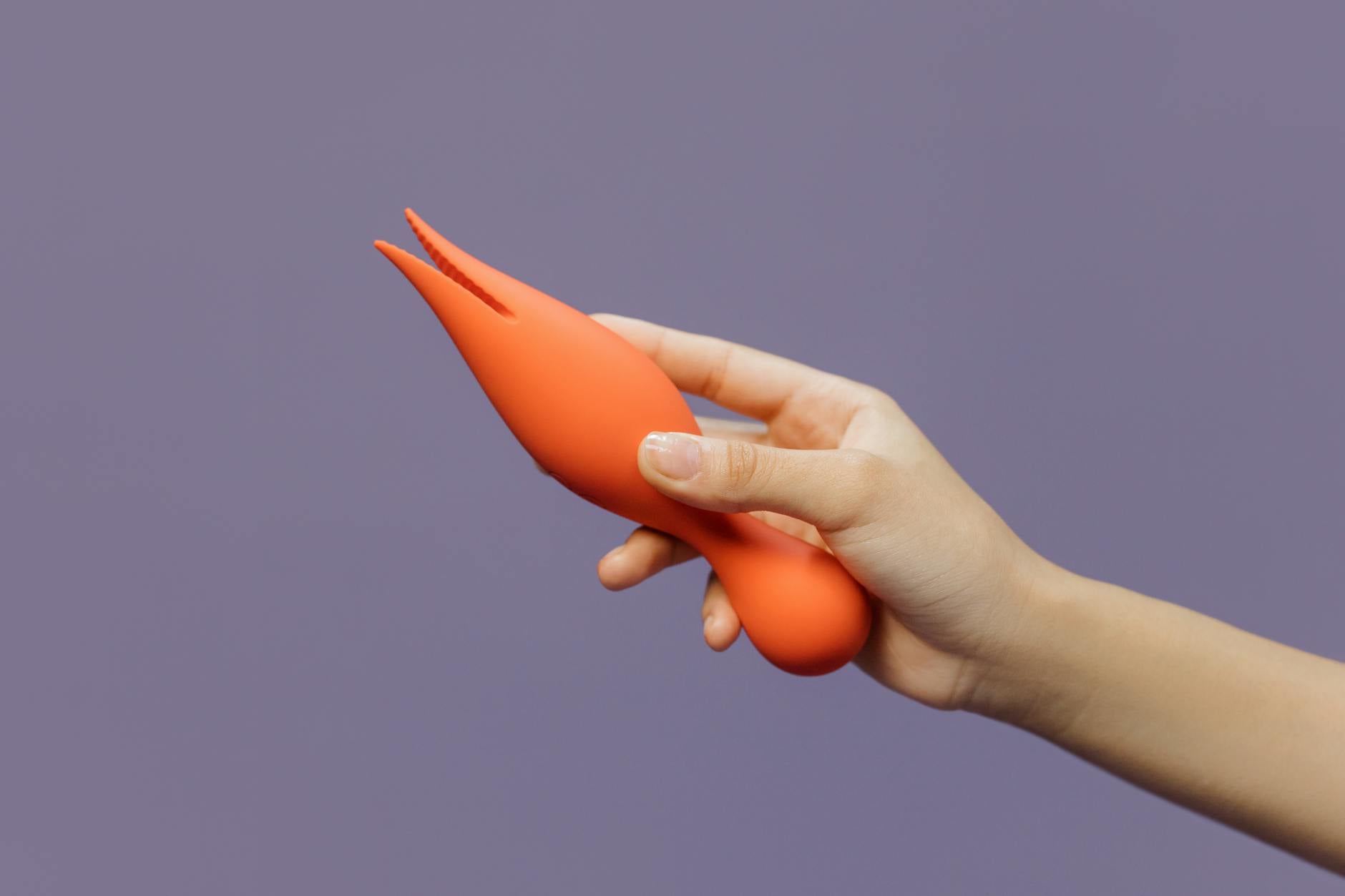
Lemon clitoral vibrators use suction technology rather than traditional vibration. This matters during post-SSRI recalibration for three specific reasons.
First, suction gives you control. With a traditional vibrator, you're managing intensity through pressure and position. With a lemon vibrator, you're managing intensity through suction strength. Lower suction settings ($\approx$ 1-3 on the dial) feel dramatically different from full power. This granular control lets you find exactly the sensation level your nervous system needs right now. If your clitoris feels raw, you go lower. If you need something strong to register, you increase it. It's titration without the math.
Second, the sensation is different enough to feel new. After years on SSRIs flattening sensation, your nervous system has gotten used to traditional vibration. Suction creates a different type of stimulation. It's often described as more focused, more pulling, less aggressive. This newness can help your body distinguish between "old numb" and "new awake."
Third, suction devices don't require the same kind of genital pressure as wand vibrators. When sensation is hypersensitive, pressure-based touch can feel intrusive. Suction creates stimulation through a seal and pull motion rather than direct friction. For many people rebuilding after SSRIs, this feels gentler.
The timeline: what to expect in your first month back
Week one off SSRIs can feel chaotic. Your body is waking up. Spontaneous arousal might happen at weird times. Your clitoris might feel almost painfully sensitive. Many people feel embarrassed by how quickly desire returns. Don't. Your body is doing exactly what it's supposed to do.
If you want to explore, start low. Use water-based lubricant even if you normally wouldn't. Set a lemon vibrator to the lowest setting and spend time just noticing what sensations return. Don't aim for orgasm. Aim for information. What feels good? What feels too much? Where does sensitivity live in your clitoris, and where is it still asleep?
Weeks two and three are often when things settle. The initial hypersensitivity usually calms down a bit. Your nervous system gets better at distinguishing pleasure from pain. You'll start to notice which settings and rhythms feel genuinely good versus just novel.
Week four and beyond, most people report that pleasure feels recognizable again. Not quite the same as pre-SSRI (your body has changed), but functional and often richer than it was on medication.
If you're in a relationship: the conversation that matters
If you have a partner, telling them about this transition does two things. It explains why your body might feel different. It also lets them in on the fact that you're actively rebuilding rather than something being wrong.
The sentence that works: "My body is recalibrating after stopping the medication. I'm exploring what feels good again, and it might look different than before. That's normal and expected."
This isn't an apology. It's information. Many partners actually feel relief knowing there's a reason and a timeline rather than worrying they've somehow lost their attraction.
If you want to incorporate a lemon vibrator into partnered sex during this time, the logistics are straightforward. Most lemon clitoral vibrators are easy to use during intercourse or partnered hand stimulation because they're relatively compact. The control remains with you. Your partner doesn't need to do anything except be present.
When to check in with your doctor
If three months after stopping SSRIs your pleasure still hasn't returned, or if you're experiencing pain rather than pleasure, that's worth discussing with your prescriber. Sometimes the issue is withdrawal or a rebound effect. Sometimes it's something else entirely. A good doctor will help you figure out what's actually happening versus what you're expecting to happen.
Similarly, if hypersensitivity doesn't settle after a few weeks, that can sometimes indicate you're coming off too quickly. This varies by medication. Some SSRIs have brutal withdrawal periods. Others are gentler. Your prescriber should have talked you through the taper when you decided to stop.
The emotional part nobody talks about
Reclaiming pleasure after SSRIs isn't just physical. It's emotional. You might feel grief about the years of numbness. You might feel angry that you weren't warned this was a side effect. You might feel vulnerable now that desire is back. All of that is normal.
Give yourself permission to feel complicated about this. Your body spent years in survival mode. Now it's waking up. That's big.
Using a lemon vibrator during this time can actually be grounding. It's a deliberate choice to explore pleasure rather than pleasure happening to you or not happening at all. It's you deciding what your body deserves.
FAQ: Rebuilding pleasure after stopping SSRIs
How long does sexual dysfunction from SSRIs last after stopping the medication?
Most people see significant improvement within 2-4 weeks of stopping, though some effects can linger for 2-3 months. This depends heavily on which SSRI you were taking (sertraline, paroxetine, and fluoxetine have different timelines) and how long you were on it. Some people also experience what's called SSRI sexual dysfunction syndrome, where effects persist longer than expected. If you're past three months and still experiencing numbness, check in with your doctor.
Can lemon vibrators help if I'm still on SSRIs?
Yes, but differently. Some people use vibrators specifically to offset the dampening effect of SSRIs. Many find they need higher intensity settings than they did pre-medication, and the lemon suction technology can make reaching orgasm feel more achievable. That said, adjusting your SSRI dose or switching to a different medication might be worth discussing with your doctor if sexual dysfunction is significantly affecting your quality of life.
Is hypersensitivity after stopping SSRIs normal, and will it go away?
Completely normal. Your nervous system got used to chemical dampening. When that suddenly stops, sensation can feel overwhelming. Most hypersensitivity calms within 2-3 weeks as your body recalibrates. If it persists beyond that, lower-intensity stimulation (like starting on setting 1 of a lemon vibrator) can help your nervous system adjust gradually.
Should I wait to use toys until after I stop SSRIs, or can I start exploring now?
You can absolutely use toys while on SSRIs. Many people do. Just manage expectations about what orgasm will feel like. Some people find that once they start exploring with toys, the motivation to adjust their medication increases. That's information worth having. There's no rule about when pleasure should look like something.
What if my partner wants to be intimate but I'm still numb?
Honesty is your best tool here. "My body is in transition right now. I'm not numb emotionally, but sensation is slow to return. I want to stay connected with you while my system recalibrates." This might mean more non-penetrative touch, more focus on connection than orgasm, or explicitly taking sex off the table temporarily. What matters is that you're not pushing your body to perform before it's ready.
Are there other medications that help with SSRI-related sexual dysfunction?
Yes. Some people add low-dose bupropion (Wellbutrin), which works on dopamine differently and can counteract SSRI sexual side effects. Some doctors recommend brief medication holidays. Some people switch to a different class of antidepressant altogether. These are all conversations for your prescriber. The point is: you don't have to accept sexual dysfunction as the cost of treating depression. There are options.
The reclamation part
When you stop SSRIs, you're not just getting your body back. You're getting your choice back. The choice to feel desire, to pursue pleasure, to say yes or no to your own experience. That's profound. A lemon vibrator is just a tool, but it's a tool that lets you relearn yourself at your own pace, with your own hands, on your own timeline.
Want to talk through what's happening in your body right now? Reach out anytime.
Sources
Chelune, G. J., Combs, D. R., & Stanczyk, J. (2005). "Mood stabilizers and antiepileptics: Neuropsychological effects and relevance to posttraumatic stress disorder." Journal of Head Trauma Rehabilitation, 20(3), 227-241.
Norton, C. (2012). "Sexual dysfunction and antidepressants." Journal of Psychopharmacology, 26(3), 359-363.
Reisman, J. M. (2016). "SSRI sexual dysfunction: A solution-focused approach." Psychotherapy Bulletin, 51(2), 18-24.
Townsend, B., & Campbell, L. (2014). "Sexual side effects of antidepressants and other psychotropic medication." Mental Health Today, 19(4), 44-48.