Let's be real about sexless phases
You're not alone. About 15 to 20 percent of couples report having little to no sexual contact for months or years at a time. What most people don't tell you is that the real damage isn't the absence of sex itself. It's what happens to touch, vulnerability, and desire when you stop trying.
When sex disappears, couples often respond one of two ways: they pretend it doesn't matter, or they treat it as proof the relationship is dying. Both responses create distance. But there's a third path: you can deliberately rebuild physical connection, starting small, without the pressure of "normal" sex.
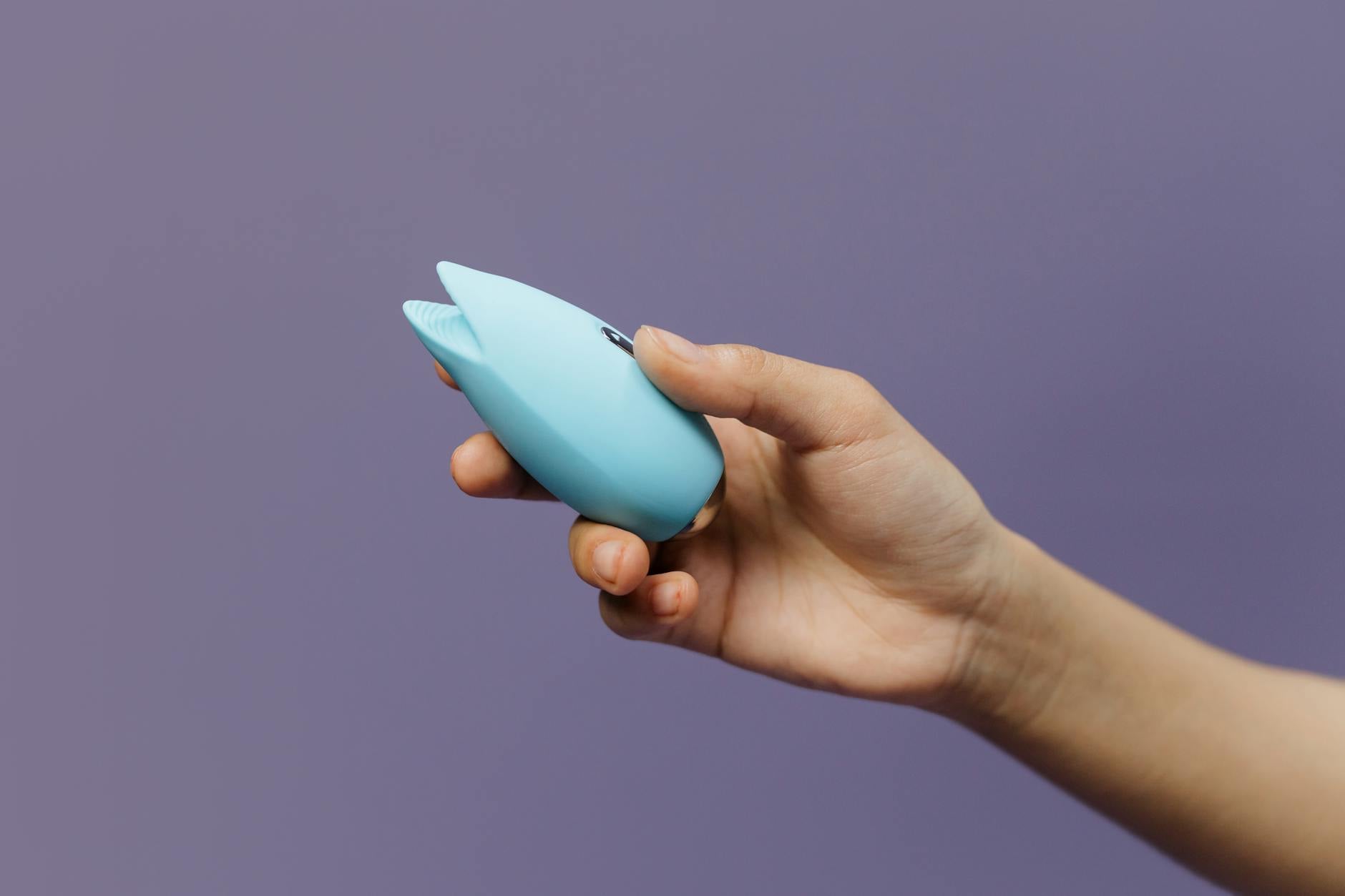
This is where lemon vibrators and other intentional pleasure tools shift the dynamic. They're not a fix for a broken relationship. They're a reset button for touch when everything feels stuck.
Why sex stops (and it's rarely what you think)
People assume couples go sexless because attraction dies. Sometimes. But most often, it's one of these:
Stress and bandwidth. Kids, careers, aging parents, money, house maintenance. Your brain is running on fumes. Sex requires cognitive space that simply isn't there.
Touched out. Parents especially know this. You've been touched all day. When you finally have privacy, the last thing you want is someone else's hands on you.
Resentment. Small conflicts don't get resolved. They pile up. Sex with someone you're quietly angry at feels like conceding, not connecting.
Medical or hormonal shifts. Medication side effects, thyroid changes, menopause, depression. Your body isn't cooperating, so you stop trying.
Shame around asking. One partner wants sex but doesn't know how to ask without pressure. The other isn't interested but doesn't know how to say no without feeling guilty. So both go silent.
None of these are "your relationship is broken." They're friction points. And friction points have workarounds.
How a clitoral vibrator restarts the nervous system
When you've been touch-starved or disconnected for months, your nervous system literally recalibrates. You become touch-resistant. Your body forgets how to receive pleasure. Even wanting sex feels risky because you've built walls.
A lemon vibrator, used intentionally with your partner, does something specific: it reactivates pleasure response without the pressure of "normal" sex. Here's what I mean.
When you use a clitoral vibrator like the Lem together, you're giving yourself permission to feel good first, before any conversation about the relationship happens. Your partner isn't performing. You're not performing. You're both just witnessing pleasure returning.
This matters because pleasure is where trust rebuilds. Your body learns it's safe to feel again. Your partner learns they can help you feel good. That small permission becomes a bridge back to each other.
Starting the conversation without pressure
You can't just show up with a lemon sucker and expect your partner to understand what you're doing. The tool itself isn't magic. The context is.
Here's what works: "I miss feeling connected to you. I've been thinking about what would help us restart. I found something that might feel less pressured than trying to jump back into things the way they were. Would you be willing to explore that together?"
Notice what's happening there. You're not saying "our sex life is broken." You're not saying "I need you to perform." You're saying "I want us to feel close again, and I have an idea."
If your partner's first reaction is resistance, that's information. It's not a no forever. It might mean they're scared, ashamed, or feeling pressured in the relationship for other reasons. That's a conversation worth having separately from the vibrator itself.
If your partner's willing, start with you. Let them see you use a lemon clitoral vibrator. Let them see pleasure returning to your body. That witnessing is powerful. It's not about performance. It's about reconnection.
Building back to mutual pleasure
Once you're comfortable with your own pleasure, the next step is slower than you'd think.
Maybe they hold the vibrator while you guide it. Maybe you use it together while you're kissing. Maybe they use it on you while you just receive and feel. There's no "should" here.
The goal isn't an orgasm. It's teaching your nervous system that touch is safe again. That pleasure with your partner is possible. Every small moment of that rebuilds the connection faster than forcing yourself through sex you're not ready for.
Some couples find that once pleasure returns, interest in sex naturally follows. Others find they want sex differently than they did before. That's fine. The tool isn't supposed to recreate what you had. It's supposed to help you build what comes next.
When to bring in outside help
If one partner is willing to explore and the other absolutely refuses, or if resentment is too deep to cross alone, a relationship therapist trained in sex and intimacy work (not just general couples therapy) can bridge that gap.
If medication is the culprit, talk to your doctor. Don't assume you have to live with sexual side effects. Dosage changes, timing adjustments, or different medications exist.
If one partner has experienced trauma, touch-aversion might need professional support to unwind. A vibrator won't fix that, but it can be part of a larger healing process with the right guidance.
The quiet power of starting small
The hardest part of rebuilding intimacy after a sexless phase isn't the sex itself. It's believing you deserve to feel good again. It's believing your partner wants to help. It's trusting that touch won't come with strings attached.
A lemon vibrator, used with intention and honesty, gives you permission to start there. Not with performance. Not with pressure. Just with pleasure and the person next to you.
FAQ: Rebuilding intimacy after a sexless phase
Why does a vibrator feel less threatening than regular sex when we're trying to reconnect?
A vibrator removes the performance pressure from both partners. With penetrative sex, there's often an implicit expectation of arousal, completion, and specific outcomes. A clitoral vibrator like the Lem focuses purely on sensation and pleasure without those benchmarks. Your partner can participate in a way that feels generous rather than obligatory. You can enjoy without worrying whether you're "doing it right." That psychological safety is what makes reconnection possible.
Can using a vibrator together actually fix a broken relationship?
No. A lemon vibrator is a tool for reconnecting through touch, not a relationship fix. If the underlying issues are contempt, betrayal, or fundamental incompatibility, you need therapy first. But if the sexless phase happened because of life stress, shame, or disconnection rather than deep relationship damage, a vibrator can help you rebuild the physical bridge that makes conversations easier.
What if my partner thinks using a vibrator means I'm not attracted to them anymore?
This fear is common. Have the conversation directly: "This isn't about you not being enough. It's about us both remembering how to feel pleasure together, without the pressure of performance." Many partners actually find it relieving. They don't have to be solely responsible for your arousal or orgasm. You're sharing that experience.
How do we use a lemon clitoral vibrator together without it feeling awkward?
Awkwardness is normal. You're relearning touch. Start with clothes on, if that helps. Start with you alone, so your partner can see pleasure without pressure to participate. Move at your own pace. If it feels weird, say so. Weird and awkward often transforms into intimate once you get past the initial strangeness. Communication during the process matters more than perfect technique.
How long does it usually take to rebuild intimacy after a long sexless phase?
There's no timeline. Some couples reconnect in weeks. Others take months. It depends on how long you were disconnected, what caused the gap, and how much both partners are willing to rebuild. What matters is consistency and honesty. Small moments of connection, repeated over time, rewire your nervous system faster than forcing big moments.
Is it normal to feel anxious or resistant when trying to restart sexual intimacy?
Completely normal. Your nervous system adapted to the absence of sex. Reintroducing it can feel destabilizing at first. Your body might tense up. You might want to stop. That's your system protecting you. Go slower. Check in with yourself. If anxiety is significant, a therapist trained in somatic work can help you process it. A vibrator can be part of that healing, but professional support might be necessary too.
The way back is gentler than you think
When sex stops, many couples believe they're starting from zero. You're not. You have history, commitment, and the fact that you're even reading this means something in you still wants to reconnect.
A lemon vibrator isn't a magic fix. It's a tool that removes shame and pressure so you can remember what it feels like to be close. It tells your partner "I want us to feel good together." It tells your body "you're allowed to enjoy this."
Start there. The rest follows.